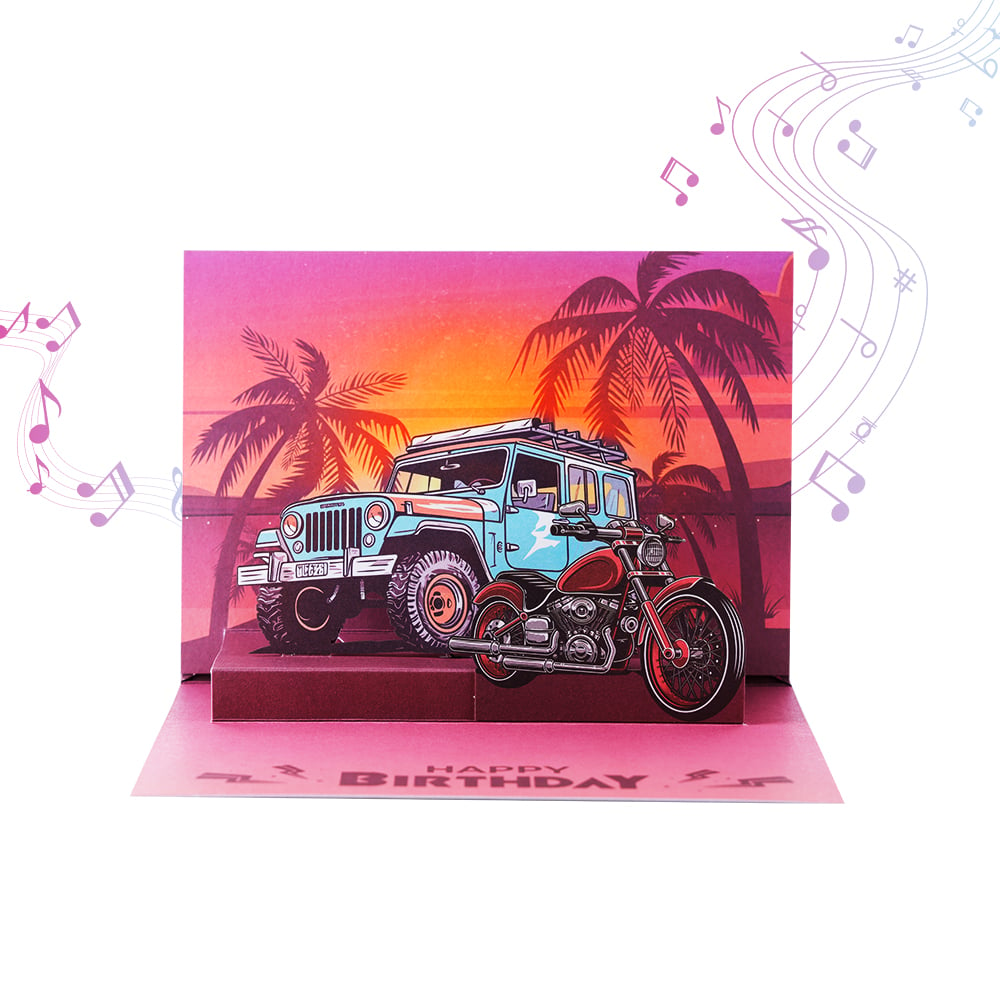
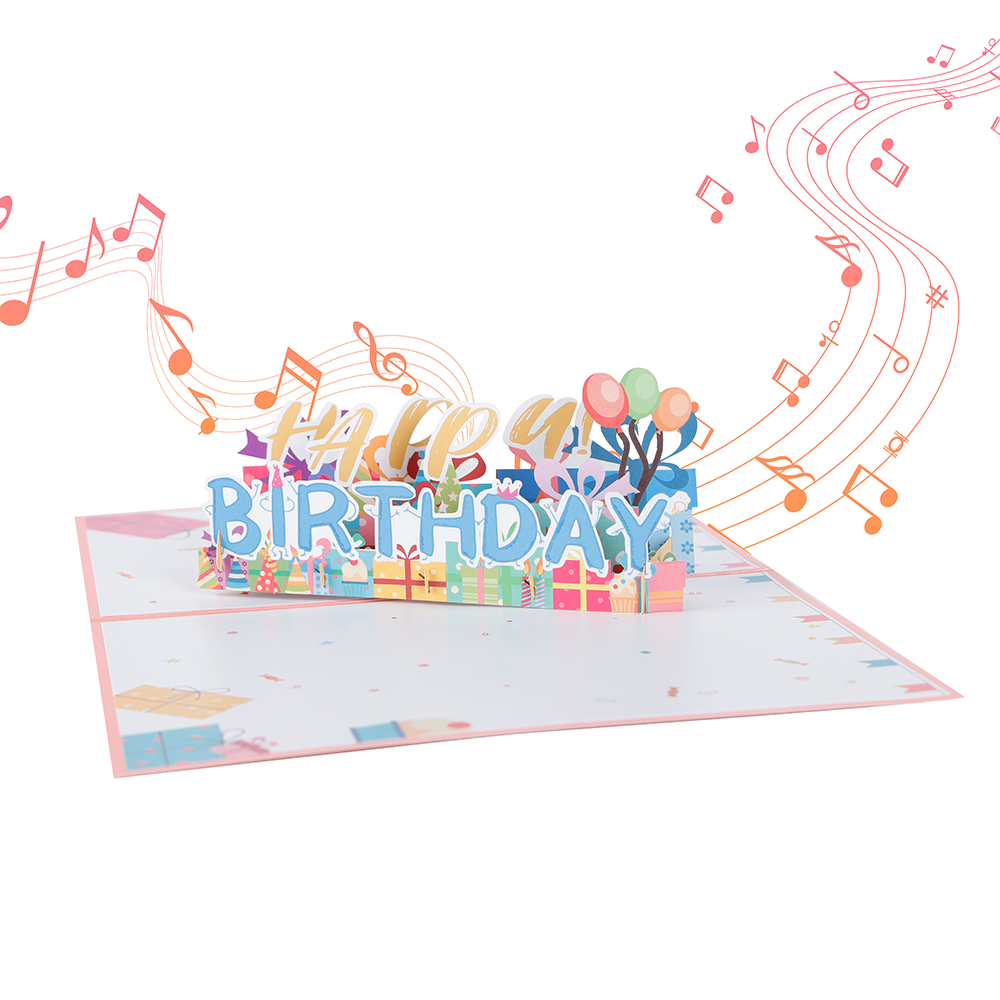
Light-up greeting cards combine printed paper products with an illuminated visual effect. When the light is coordinated with the artwork and structure, the card can create a stronger reveal for birthdays, holidays, celebrations, branded gifting and premium retail programs.
For a brand, developing a light-up card is a multidisciplinary project. Artwork, paper engineering, LEDs, power source, activation method, wiring space, assembly and packaging need to be considered together. Winpsheng supports OEM and ODM greeting card projects that integrate interactive functions with custom paper construction.
Define the Light Experience Before Choosing Components
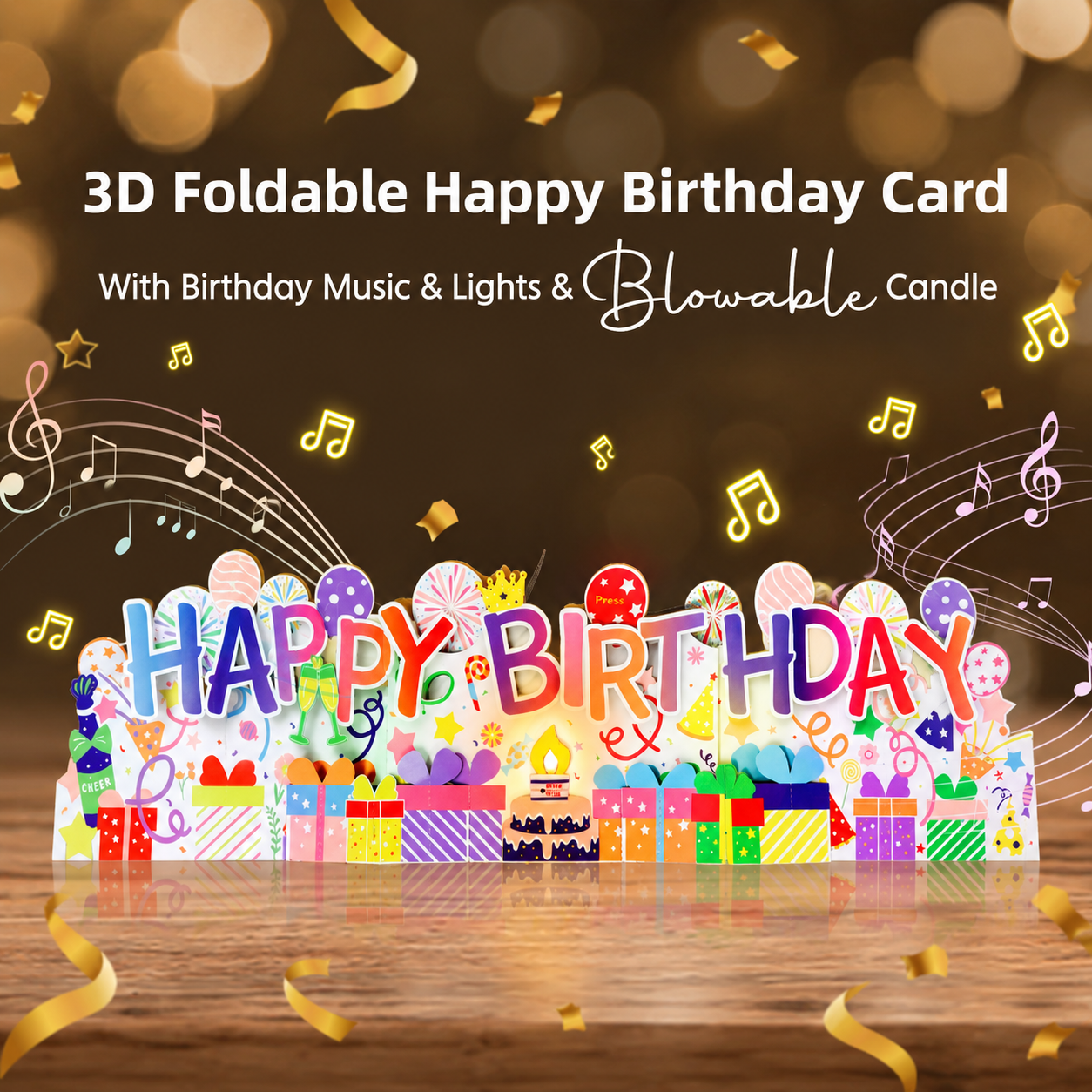
The first question is not how many LEDs to add. The first question is what the recipient should see and do. A buyer may want points of light around a skyline, a candle effect inside a birthday scene, a glowing message or a sequence that appears when the card opens or a button is pressed.
Occasion and intended user
Light location, color direction and visual purpose
Opening, pull-tab or button interaction
Card size and paper structure
Target retail channel and packaging
Estimated quantity and price position
A clear experience brief helps the development team select a practical structure and avoids placing lights where thick paper layers or decoration will block the effect.
Plan the Paper Structure and Electronics Together
A light-up card needs room for the light source, connections, power and activation parts. These components affect panel thickness, fold lines and internal layers. The paper construction must keep the product neat, protect the functional parts and allow the card to open and close correctly.
Light transmission also matters. A direct point of light creates a different result from illumination behind cut paper or a translucent area. Sampling helps determine whether the chosen paper, color coverage and distance from the surface produce the intended visual effect.
Choose an Activation Method that Fits the User Journey
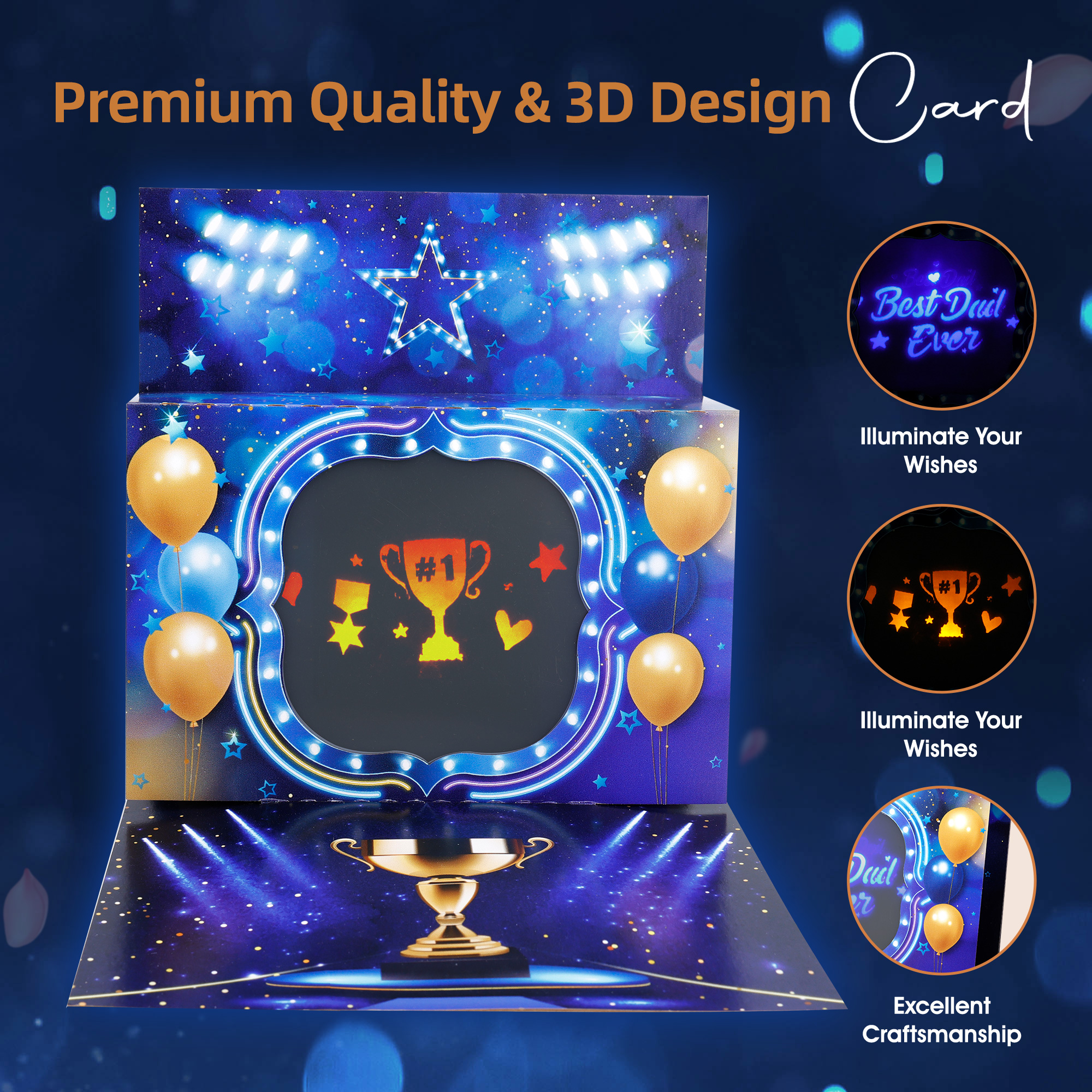
The activation method should feel intuitive. Opening activation can create an automatic reveal. A press button gives the recipient direct control. Other mechanisms may be considered depending on the product concept and confirmed component solution.
The activation position must be coordinated with artwork and internal construction. It should be easy to operate while remaining protected against accidental triggering during packing and transport.
Prototype the Complete Product
A functional sample allows the buyer to review more than appearance. The sample should confirm artwork, colors, paper construction, light location, activation, brightness expectation, opening performance, finished thickness, envelope fit and packaging.
Does the light emphasize the intended visual element?
Does activation work reliably in the finished paper structure?
Does the card open and close without stressing the internal assembly?
Are components concealed or presented as intended?
Does the package protect the card against pressure and accidental activation?
If several designs use one functional platform, a shared construction standard may improve collection consistency. Each design should still be sampled because artwork, paper layers and light locations can change the result.
Prepare the Design for Production
Production requires confirmed references for paper, printing, cutting, folding, component placement, assembly, activation and packaging. Work instructions should make clear which module belongs to each design and how the functional parts are oriented and secured.
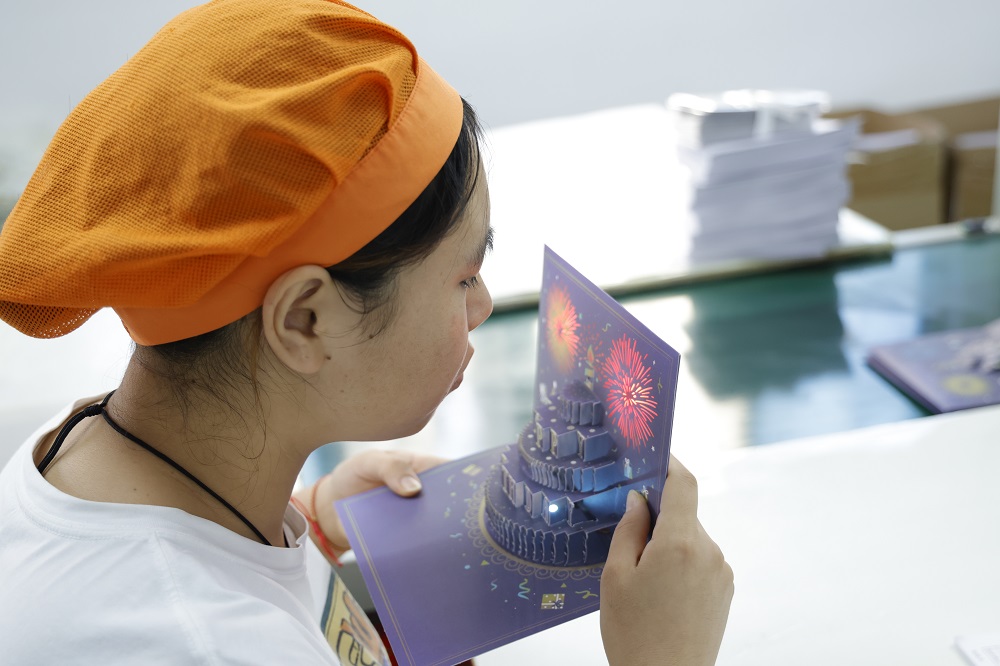
Functional and Visual Checks
Light-up cards require conventional greeting-card inspection and function confirmation. Visual checks may cover print, cutting, folding, cleanliness and packaging. Functional checks should confirm the correct effect and activation for the approved design.
The exact inspection plan depends on the component, construction and buyer requirements. Specific battery, transport, labeling or market-compliance statements should be assessed for the actual product and destination rather than assumed from a general article.
Packaging for Light-Up Cards
Packaging protects both the paper product and its functional elements. A suitable solution may include an envelope, protective bag, instruction label, button indication, retail header, insert, gift box or display pack. The package should make the interaction understandable and reduce unwanted activation.
How Winpsheng Supports Custom Light-Up Projects
Winpsheng can support projects beginning with complete buyer specifications as well as projects beginning with a theme, artwork direction or interactive concept. Development can include feasibility review, paper engineering, function integration, sampling, production planning, inspection and private-label packaging.
Buyers should prepare the target market, occasion, quantity, card dimensions, artwork status, intended light effect, preferred activation, packaging and schedule. These inputs provide a sound basis for technical review and quotation.
Frequently Asked Questions
Can a light-up card also include sound or a pop-up structure?
Combination concepts may be possible after feasibility review. Space, power, paper movement, thickness, cost and testing need to be considered together.
What activation methods are available?
Opening or pull-tab activation and press-button activation are common directions, but the final method depends on the confirmed design and component solution.
Why is a functional sample necessary?
It confirms that the paper, artwork, light effect, activation and packaging operate as one finished product.
Are safety and compliance requirements the same for every market?
No. Product and destination requirements may differ. The exact components, labeling, testing and documentation should be reviewed for each project.
Conclusion
A strong light-up greeting card is designed as one integrated product rather than a paper card with electronics added at the end. By coordinating the experience, paper structure, components, activation, sampling and functional checks, brands can create interactive cards that are both visually engaging and practical to manufacture. Winpsheng supports this development process for custom OEM and ODM projects.
 Hot News
2026-09-15
2026-08-21
2026-08-17
2026-07-15
2026-06-23
2026-06-11
 EN
EN