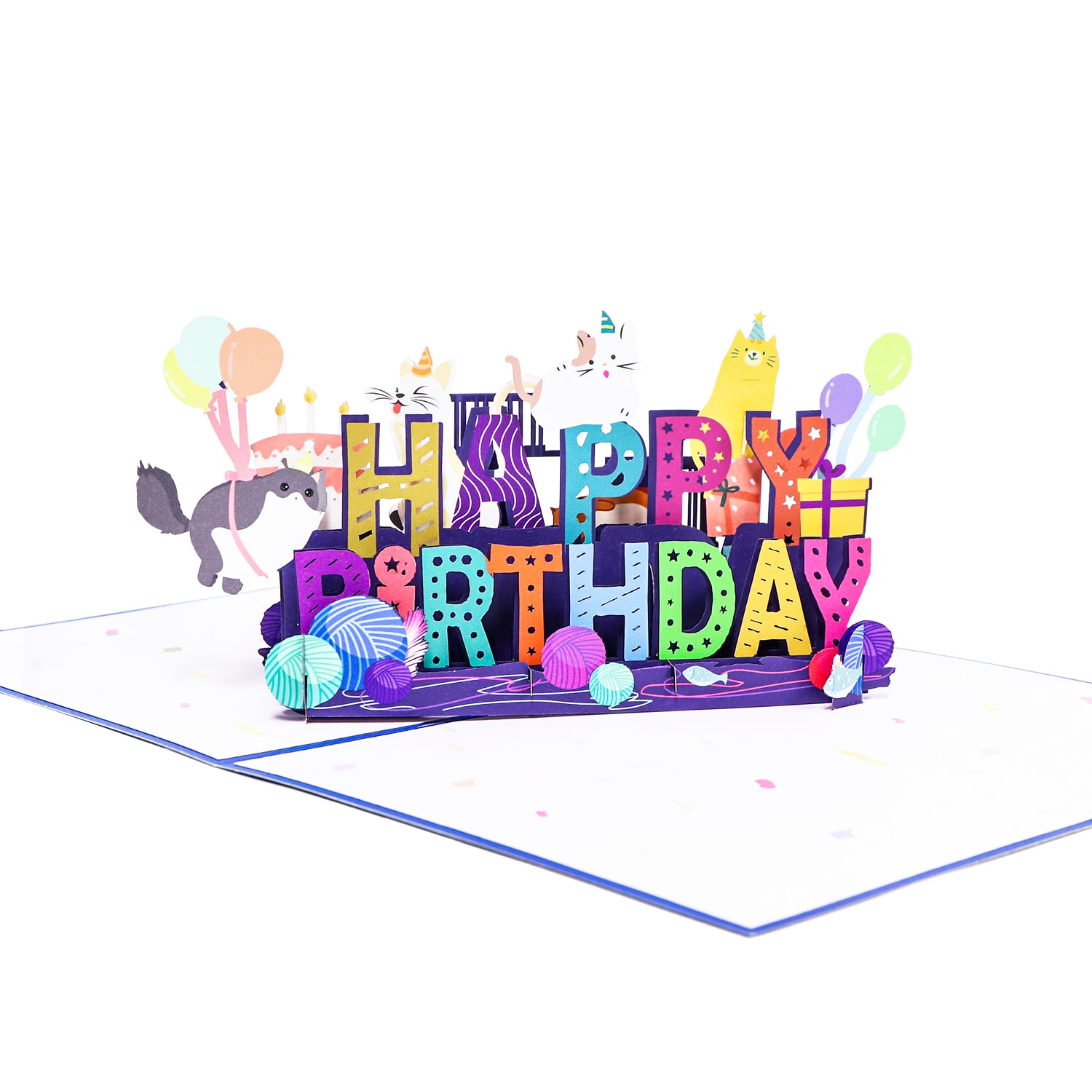
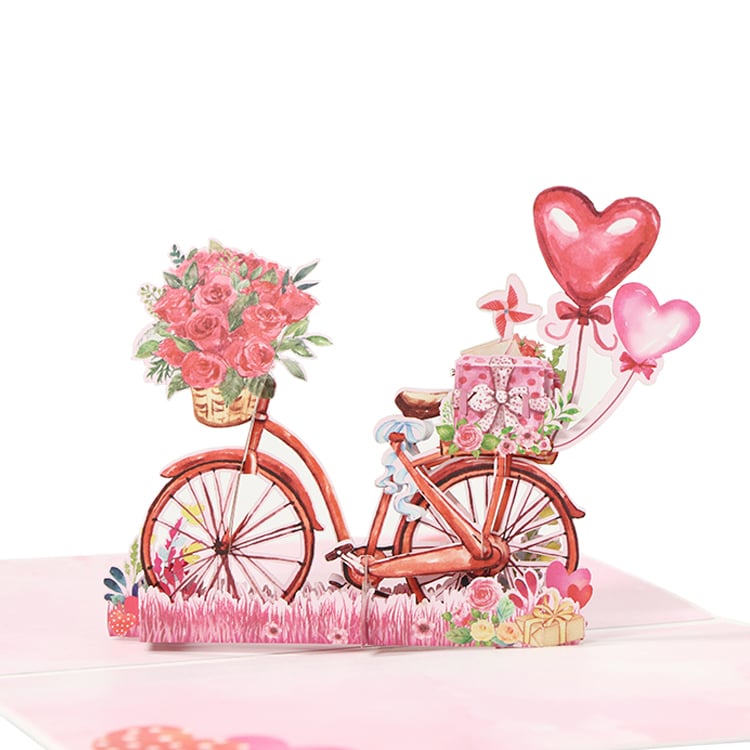
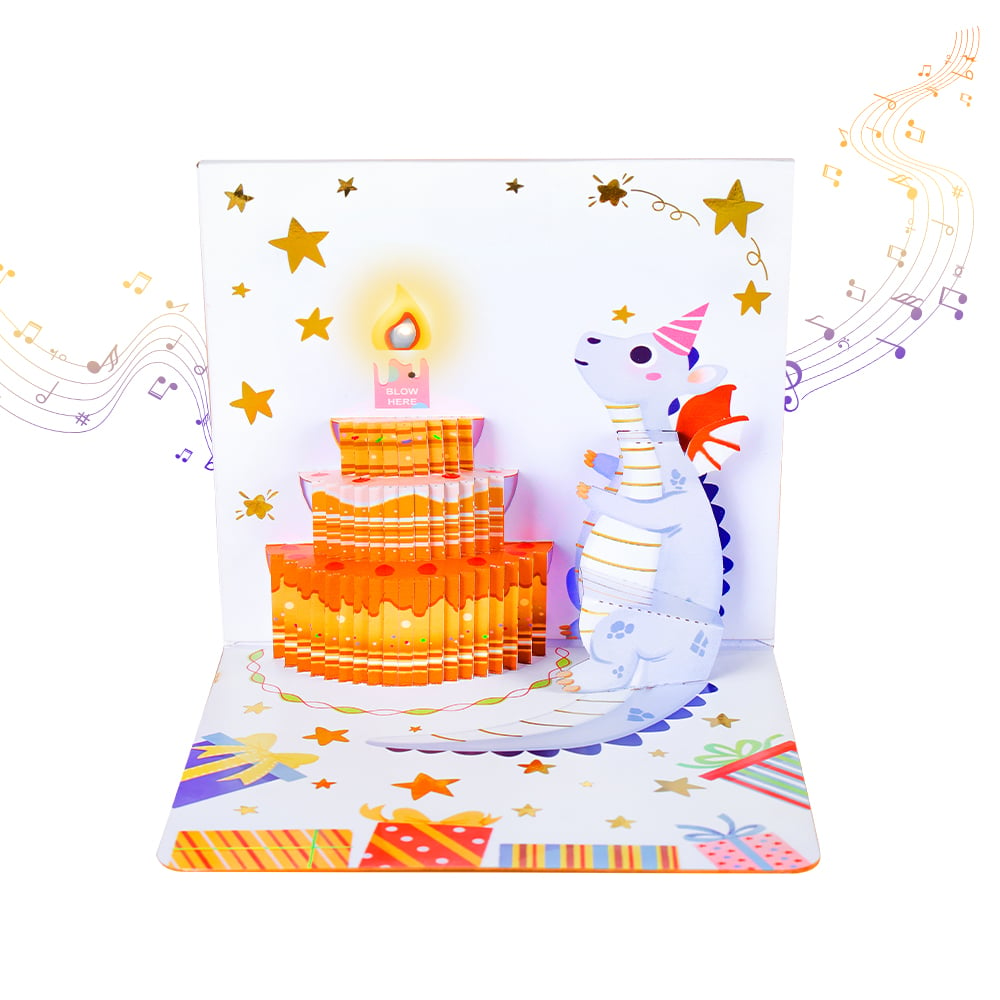
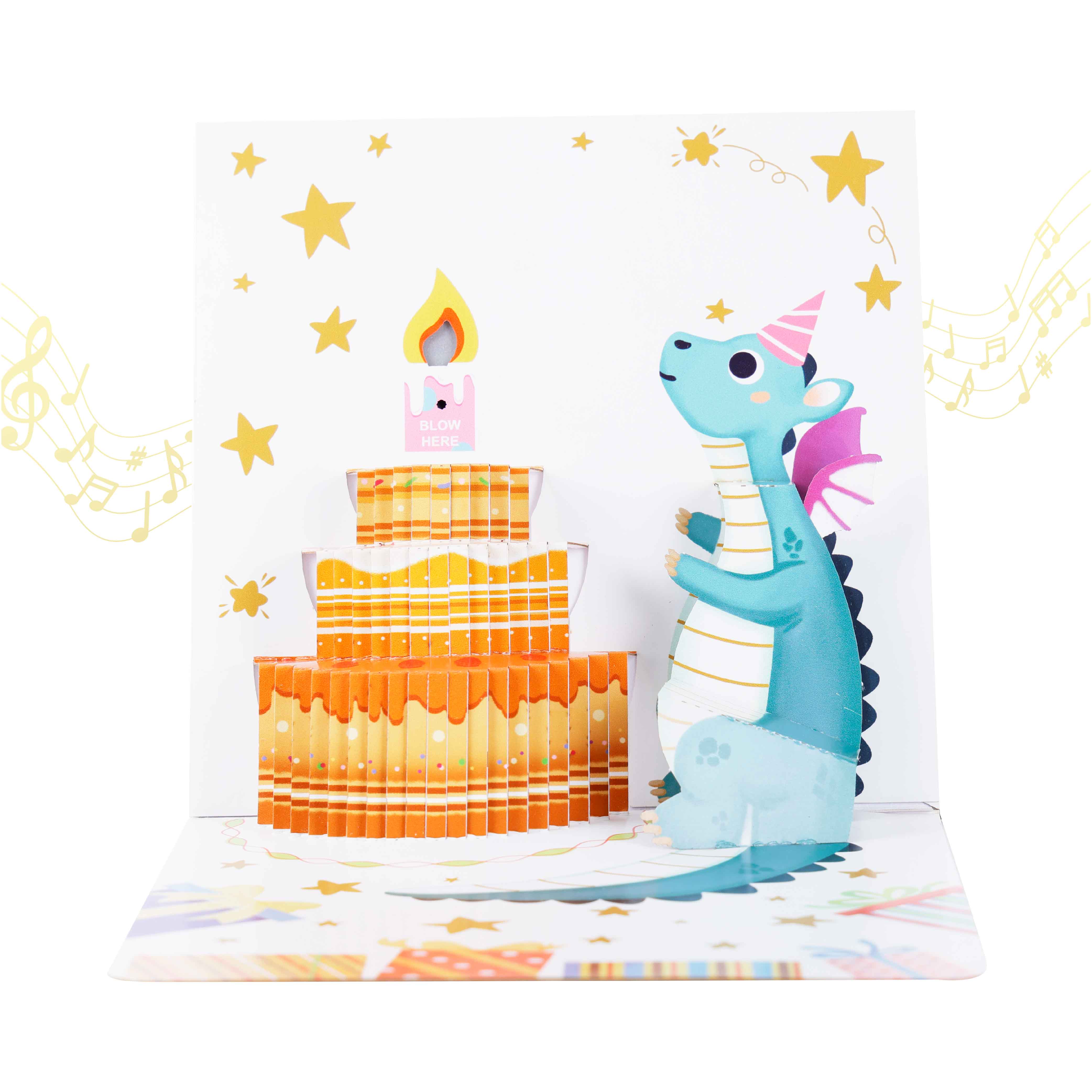
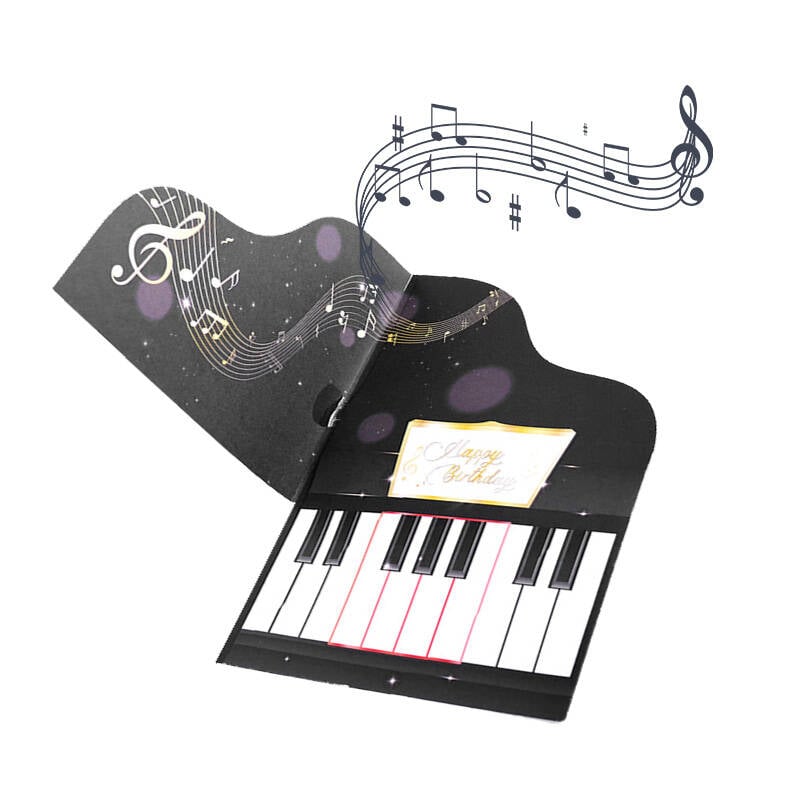
Recordable greeting cards allow the sender or recipient to capture a personal voice message and play it back from the card. This changes the product from a fixed printed message into a more personal communication experience for birthdays, weddings, family occasions, long-distance gifting and branded programs.
Recordable cards are not the same as standard musical cards. A musical card normally contains prerecorded audio approved before production. A recordable card must guide the user through recording and playback. The paper design, controls, microphone and speaker areas, module placement and instructions must work together.
Winpsheng supports custom OEM and ODM greeting card projects for brands, retailers, gift companies and private-label buyers, including interactive paper products that combine print with sound functions.
Define Who Records the Message and When
The user journey should be defined before artwork begins. In some products, the buyer or sender records a message before giving the card. In others, the recipient may be invited to record or replay content. The intended user determines how visible the instructions and controls must be.
Who will record the message?
When will recording take place?
How will the user start, stop, save and play the message?
Should recording be protected against accidental replacement?
Where should instructions appear?
How will the card be packaged and demonstrated?
Recordable Card Applications
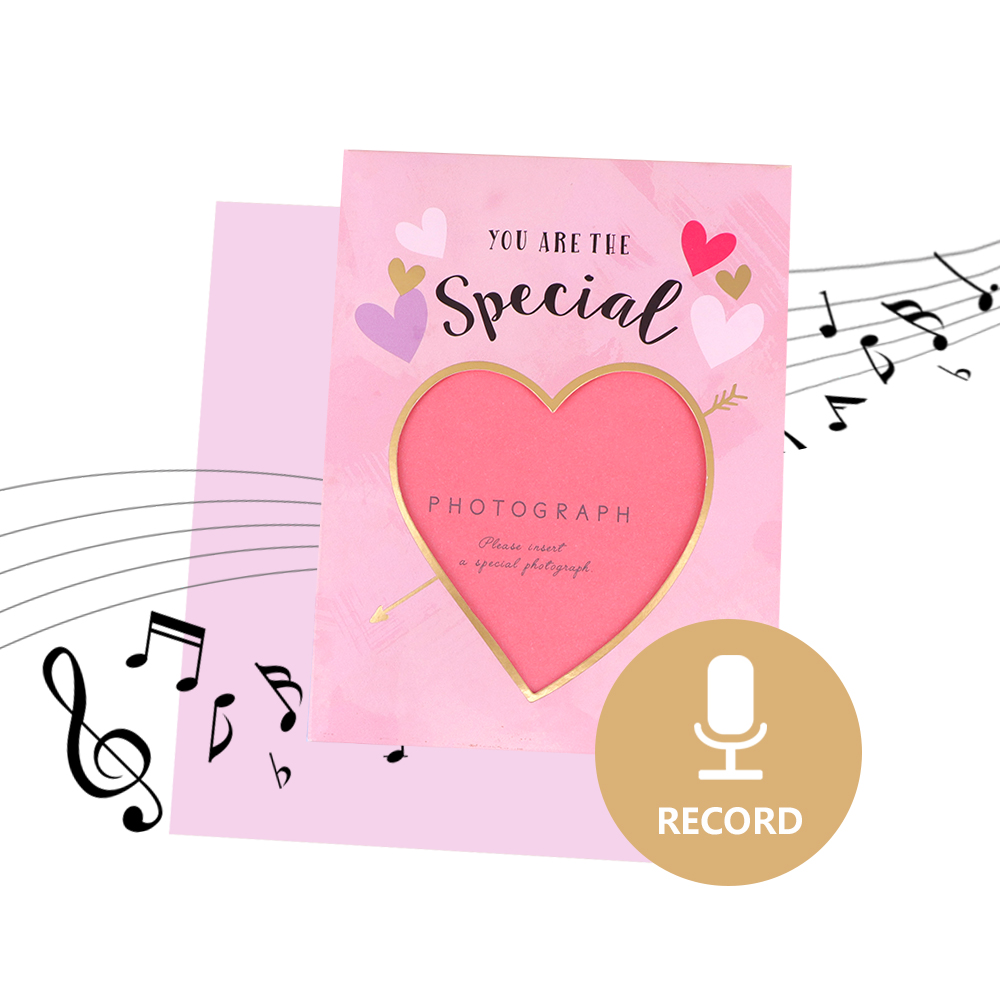
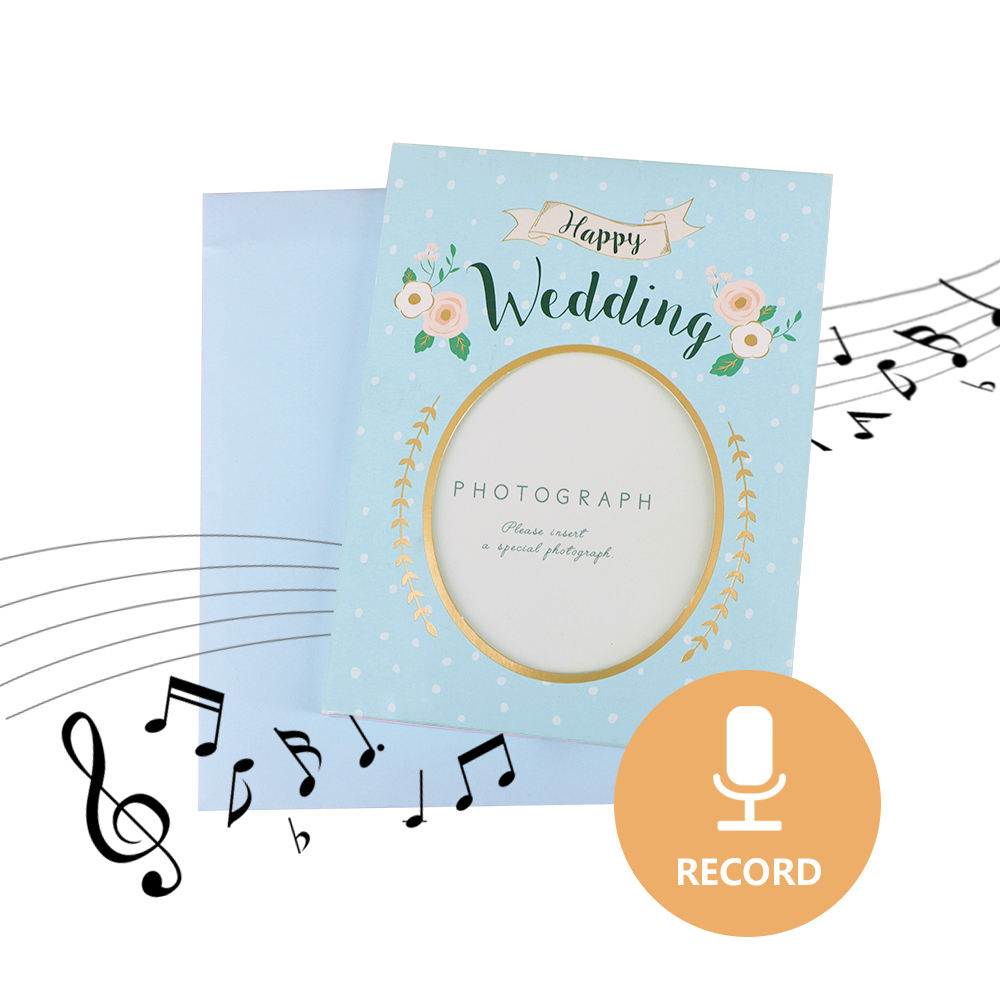
Voice recording can add value when personal expression matters more than a fixed song. Birthday and family cards can preserve a spoken greeting. Wedding or anniversary products can carry a personal message. Gift companies may combine recording with photographs or keepsake packaging.
For branded products, the function should match the audience. A clear, reliable experience is more valuable than adding controls that customers do not understand.
Design Clear Record-and-Play Instructions
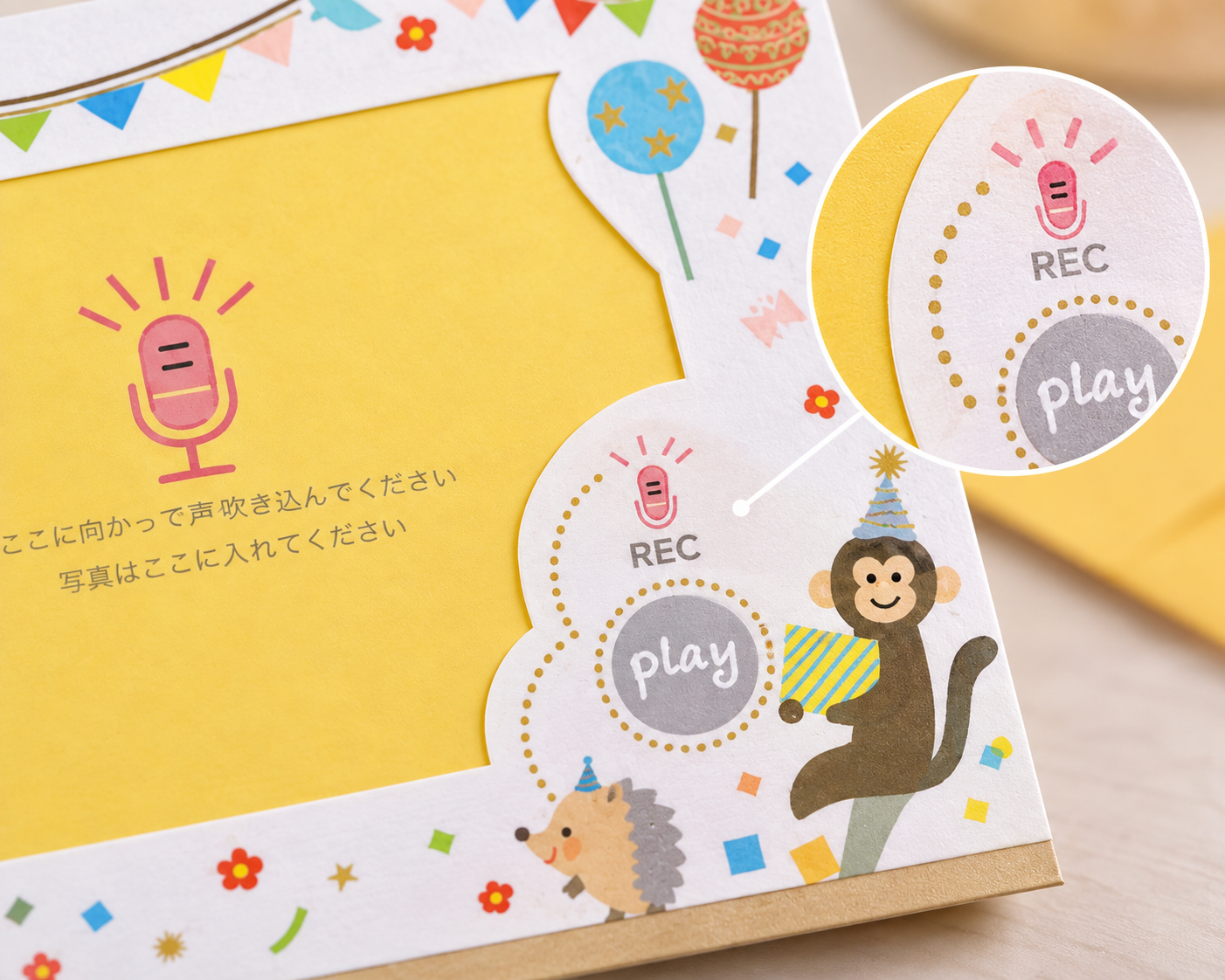
Instructions are part of the product design. Labels, symbols and message order should guide users without crowding the artwork. The terminology must match the actual module and its operating sequence.
The design should make it obvious which area is used for recording and which is used for playback. If a protective tab or confirmation step is part of the product, it should be explained in the correct order. These details should be verified on the functional sample.
Integrate the Module into the Paper Construction
The internal structure needs space for the recording module, controls, microphone, speaker, power source and connections. Paper layers may conceal components while leaving the operating areas accessible. The card must also retain enough writing or photograph space for its intended purpose.
Component placement influences balance, thickness, folding and sound clarity. For this reason, module dimensions and control locations should be reviewed before final artwork is locked.
Develop and Approve a Functional Sample
The buyer should review the sample as a complete user experience. In addition to print and color, approval may cover recording sequence, playback, control location, instruction accuracy, sound expectation, card closure, envelope fit and packaging.
Correct artwork and language
Clear instructions and control labels
Recording and playback behavior as confirmed
Secure module and paper assembly
Suitable speaker and microphone openings
Practical writing or photograph area
Package protection and user information
Production and Function Checks
Production standards should identify the approved module, orientation, control positions and assembly method for each design. Inspection combines paper-product checks with function confirmation. The exact test sequence should reflect the module and agreed buyer requirements.
Specifications such as recording duration, replay behavior or battery arrangement should be stated only after the selected module is confirmed. Different projects may use different solutions, so a general article should not present one number as universal.
Packaging and Retail Communication
Packaging should protect the card and explain the function. Depending on the sales channel, it may include an envelope, protective bag, instruction panel, barcode, header card, gift box or try-me explanation. The card should not activate unintentionally during transport.
OEM and ODM Development with Winpsheng
An OEM buyer may provide approved artwork, instructions and technical requirements. An ODM buyer may begin with an occasion, audience or product concept and request support with layout, control presentation, paper structure and packaging.
A useful starting brief includes the target market, occasion, size, quantity, artwork status, expected user journey, module requirements if known, packaging and delivery schedule. Winpsheng can review these inputs and propose the next sampling steps.
Frequently Asked Questions
What is the difference between a recordable card and a musical card?
A musical card normally plays audio selected before production. A recordable card allows a user to capture and replay a message, so it requires user controls and clear operating instructions.
Can recordable cards include a photograph area?
A photograph or keepsake feature may be integrated when the paper construction and module placement allow it.
How long can a recordable message be?
Duration depends on the confirmed module. It should be verified for the actual project rather than assumed from a general specification.
Why must the instructions be tested on the sample?
The user must understand the record and playback sequence. Testing the final printed instructions with the working sample helps prevent confusion.
Conclusion
Custom recordable greeting cards create value through personal participation. Their success depends on a clear user journey, accurate instructions, suitable paper engineering, verified controls, functional sampling and protective packaging. Winpsheng supports brands in coordinating these elements from concept review through production preparation.
 Hot News
2026-09-15
2026-08-21
2026-08-17
2026-07-15
2026-06-23
2026-06-11
 EN
EN