For consumers, Christmas greeting cards usually appear in stores only a few months before the holiday season. But for greeting card brands, importers, wholesalers, retailers, and private-label buyers, Christmas product development often starts much earlier.
The right development timeline depends on the buyer type, order size, sales channel, product complexity, packaging requirements, and delivery schedule. A large retail chain may begin planning the next Christmas collection almost one year in advance, while a smaller e-commerce seller may work with a shorter timeline if the design is simple and the order quantity is flexible.
For custom Christmas greeting cards, early planning is especially important. Products such as 3D pop-up Christmas cards, musical Christmas cards, light-up greeting cards, recordable cards, and handmade holiday cards usually require more time for design development, sampling, testing, production, quality control, packaging, and shipping.
So, when should different buyers start developing custom Christmas greeting cards? Here is a practical guide for B2B buyers.
Why Christmas Greeting Card Development Should Start Early
Christmas is one of the most important seasons for greeting card sales. However, the development process is not only about printing a festive design on paper.
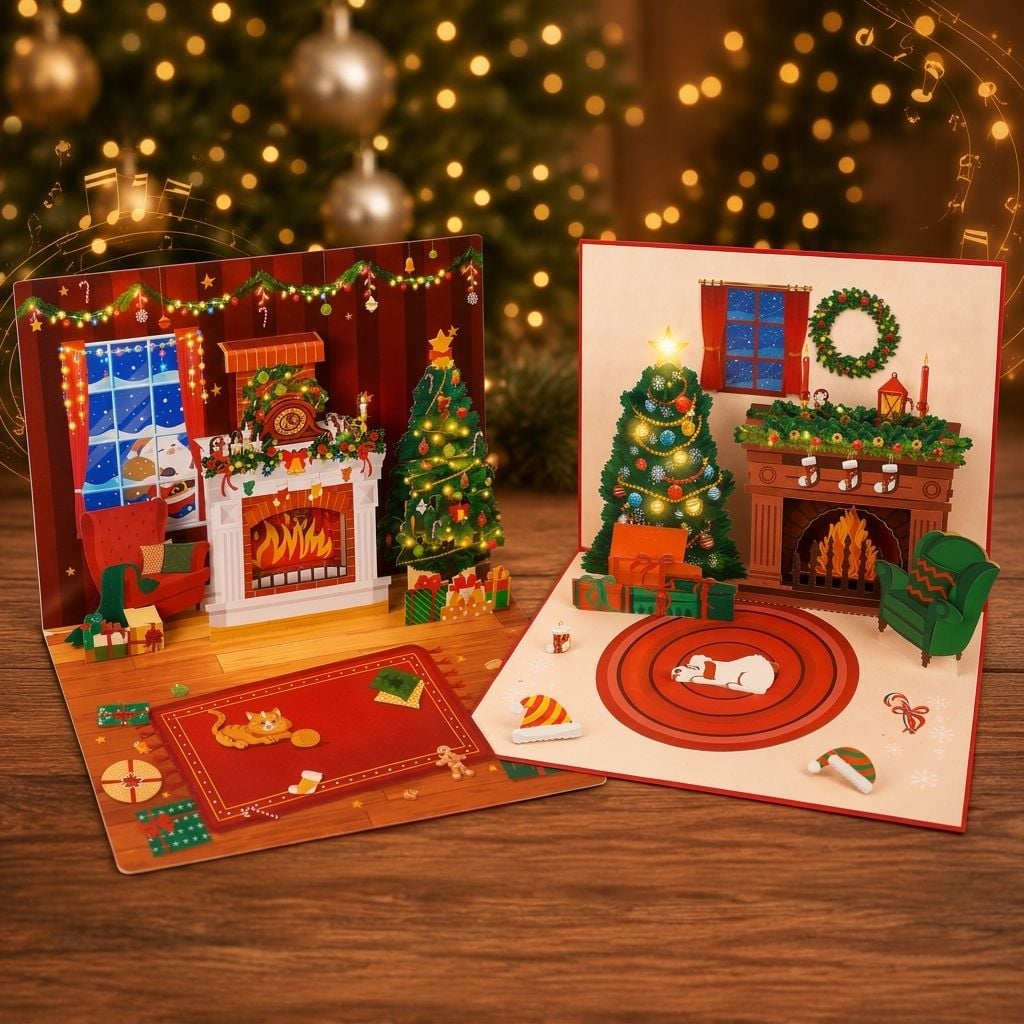
For custom holiday greeting cards, buyers often need to confirm many details before production begins, including:
Product theme
Card size and structure
Paper material
Printing finish
Pop-up mechanism
Music, light, or recording function
Handmade decorations
Envelope or packaging
Private-label branding
Barcode and retail labels
Display box or gift box requirements
Shipment schedule
Each step takes time, especially when the product includes creative structures or interactive features. Starting early gives buyers more flexibility to develop stronger products, compare options, control costs, and avoid rushed decisions before the holiday season.
For B2B buyers, early planning is not only about production. It also supports retail launch timing, warehouse planning, catalog preparation, online listing creation, and seasonal marketing.
Recommended Development Timeline by Buyer Type
Different buyers have different planning needs. A large retailer usually needs a longer approval process, while a small-batch buyer may move faster if the product requirements are already clear.
Different buyers have different planning needs. Below is a practical reference for when each type of buyer should start developing custom Christmas greeting cards.
1. Large Retail Chains
Suggested start time: 10–12+ months before Christmas
Why it matters: Large retail chains usually need more time for collection planning, compliance review, packaging approval, production slots, shipping, warehouse preparation, and store launch planning.
2. Greeting Card Brands
Suggested start time: 8–10 months before Christmas
Why it matters: Greeting card brands need enough time for design development, brand consistency, product testing, sample review, and seasonal collection planning.
3. Private-Label Buyers
Suggested start time: 7–10 months before Christmas
Why it matters: Private-label buyers usually need time to confirm custom branding, packaging, barcode labels, product assortment, approval process, and retail presentation.
4. Importers & Wholesalers
Suggested start time: 6–9 months before Christmas
Why it matters: Importers and wholesalers need time for supplier selection, sample review, order confirmation, bulk production, quality inspection, and international shipment.
5. ODM Creative Product Buyers
Suggested start time: 8–12 months before Christmas
Why it matters: ODM projects need more time for concept development, structure testing, function testing, sample adjustment, cost review, and production planning.
6. OEM Buyers with Ready Artwork
Suggested start time: 4–6 months before Christmas
Why it matters: The timeline can be shorter if artwork, card size, structure, packaging, and quantity are already confirmed. However, creative products still need time for sampling and testing.
7. Gift Companies
Suggested start time: 4–6 months before Christmas
Why it matters: Gift companies often need seasonal cards for campaigns, gift sets, promotional collections, corporate gifts, or themed holiday product lines.
8. E-commerce Sellers
Suggested start time: 3–5 months before Christmas
Why it matters: E-commerce sellers need time for product photos, online listings, inventory planning, packaging information, and platform sales preparation before the holiday season.
9. Small-Batch Custom Buyers
Suggested start time: 3–5 months before Christmas
Why it matters: Small-batch custom buyers can move faster if the design is simple, requirements are clear, packaging is not complicated, and the order quantity is flexible.
For complex products such as 3D pop-up Christmas cards, musical Christmas cards, light-up cards, recordable cards, or handmade cards, buyers should always allow extra time for sampling, testing, production review, and quality control.
This timeline is only a general reference. Complex cards, large orders, private-label packaging, and international shipping may require more time.
Large Retail Chains: Start 10–12 Months or Earlier
Large retail chains usually need the longest development timeline for Christmas cards.
For these buyers, Christmas greeting cards are often part of a full seasonal retail program. The process may include trend research, product line planning, design approval, supplier review, packaging confirmation, compliance checks, barcode setup, production scheduling, shipping, warehouse distribution, and store launch preparation.
If the project includes multiple SKUs, custom packaging, display boxes, or private-label branding, the timeline becomes even longer.
Large retailers should usually start 10 to 12 months before Christmas, or even earlier for complex product collections. This gives enough time for product development, sample revisions, internal approval, bulk production, and international logistics.
For these buyers, early communication with a Christmas greeting card manufacturer helps secure production capacity and reduce last-minute pressure.
Greeting Card Brands and Private-Label Buyers: Start 7–10 Months Ahead
Greeting card brands and private-label buyers usually care about product style, brand identity, quality consistency, and collection planning.
They may need a complete Christmas card series with matching design language, coordinated packaging, and different product formats. For example, one seasonal collection may include flat printed cards, 3D pop-up Christmas cards, musical cards, handmade cards, and gift-boxed card sets.
Private-label projects may also require:
Brand logo placement
Custom envelopes
Retail packaging
Barcode labels
Product information labels
Assorted card sets
Display box design
Market-specific packaging requirements
For these projects, buyers should usually start 7 to 10 months before Christmas. This allows enough time to review design concepts, confirm samples, test materials and functions, approve packaging, and prepare production.
If the project includes ODM development or new product structures, an earlier start is recommended.
Importers and Wholesalers: Start 6–9 Months Ahead
Importers and wholesalers usually need to balance product selection, cost control, order quantity, delivery schedule, and downstream customer needs.
They may not always develop every design from the beginning, but they still need enough time to compare products, request samples, confirm prices, place orders, arrange production, and manage international shipping.
For importers and wholesalers, a practical timeline is usually 6 to 9 months before Christmas.
This timeline gives enough room for:
Supplier communication
Sample selection
Product assortment planning
Price confirmation
Order negotiation
Production scheduling
Quality inspection
Shipping arrangement
Delivery to local warehouses or customers
If the products are standard printed Christmas cards, the timeline may be shorter. But for custom Christmas pop-up cards, musical cards, light-up cards, recordable cards, or handmade cards, buyers should start earlier.
ODM Creative Product Buyers: Start 8–12 Months Ahead
ODM projects require more development time because the manufacturer is not only producing an existing design. The product may need to be developed from an idea, theme, function, or market requirement.
For example, a buyer may want to develop:
A 3D Christmas tree pop-up card
A musical Santa Claus greeting card
A light-up winter village card
A recordable Christmas message card
A handmade luxury Christmas card set
A custom boxed holiday gift card collection
These products may require structure design, paper engineering, module placement, sample testing, material selection, cost adjustment, and multiple rounds of revisions.
For ODM creative Christmas greeting cards, buyers should usually start 8 to 12 months before Christmas.
Starting early gives the manufacturer enough time to review the concept, suggest practical production solutions, test the structure or function, and prepare the project for mass production.
OEM Buyers with Ready Artwork: Start 4–6 Months Ahead
OEM buyers may already have artwork, product size, card format, packaging requirements, and technical details confirmed.
In this case, the development timeline can be shorter because the manufacturer mainly needs to check production feasibility, make samples, confirm materials, arrange production, and complete quality control.
For OEM Christmas greeting card projects with ready artwork, buyers should usually start 4 to 6 months before Christmas.
However, this depends on the product type. A simple printed Christmas card may move faster, while a 3D pop-up card, musical card, light-up card, or recordable card still needs time for testing and production preparation.
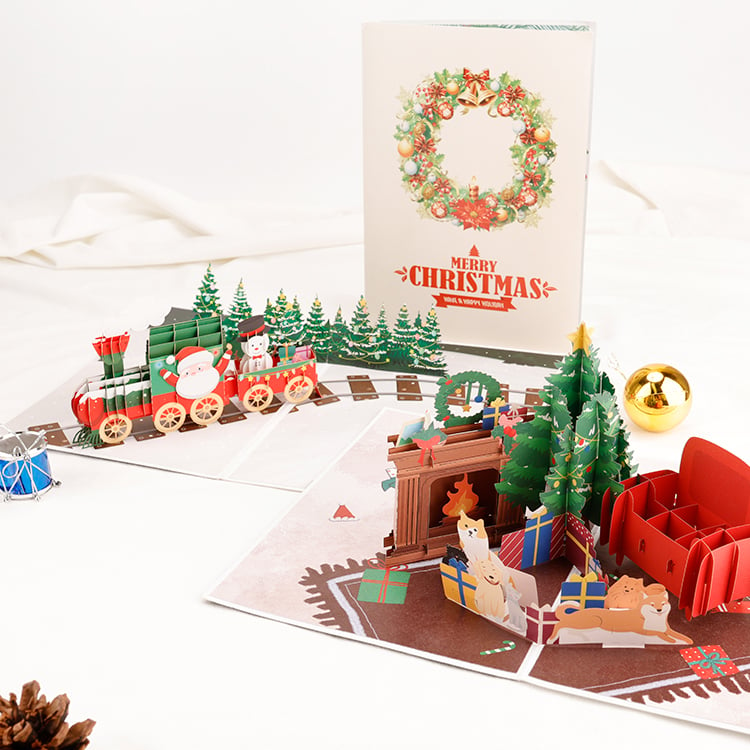
To make the OEM process smoother, buyers should prepare:
Artwork files
Card size
Paper specification
Printing requirements
Special finishing details
Function requirements
Packaging instructions
Quantity
Delivery schedule
The clearer the project information, the easier it is for the manufacturer to provide accurate suggestions, quotations, and timelines.
Gift Companies and E-Commerce Sellers: Start 3–6 Months Ahead
Gift companies and e-commerce sellers may work with more flexible timelines, especially when order quantities are smaller or product designs are already available.
Gift companies may need Christmas cards for seasonal gift sets, promotional campaigns, corporate gifts, or special holiday collections. E-commerce sellers may need product photos, online listings, packaging information, and inventory before the shopping season begins.
For these buyers, 3 to 6 months before Christmas can be a practical starting point, depending on the product complexity and order quantity.
However, if the product includes pop-up structures, music, lights, recording modules, handmade details, or custom packaging, it is still better to start earlier.
Early planning helps e-commerce sellers prepare product images, descriptions, inventory, and marketing materials before peak seasonal traffic begins.
Small-Batch Custom Buyers: Start 3–5 Months Ahead
Small-batch custom buyers may have more flexibility, especially when the design is simple and packaging requirements are not complicated.
These buyers may order custom Christmas greeting cards for events, company gifts, boutique stores, promotional campaigns, or limited seasonal collections.
A timeline of 3 to 5 months before Christmas may be workable if:
The design direction is clear
The quantity is not too large
The card structure is simple
Packaging requirements are limited
No complex electronic functions are required
Delivery expectations are realistic
Even for small-batch orders, it is still important to allow enough time for sample confirmation, production, inspection, and shipping.
Creative Christmas Cards Need a Longer Development Timeline
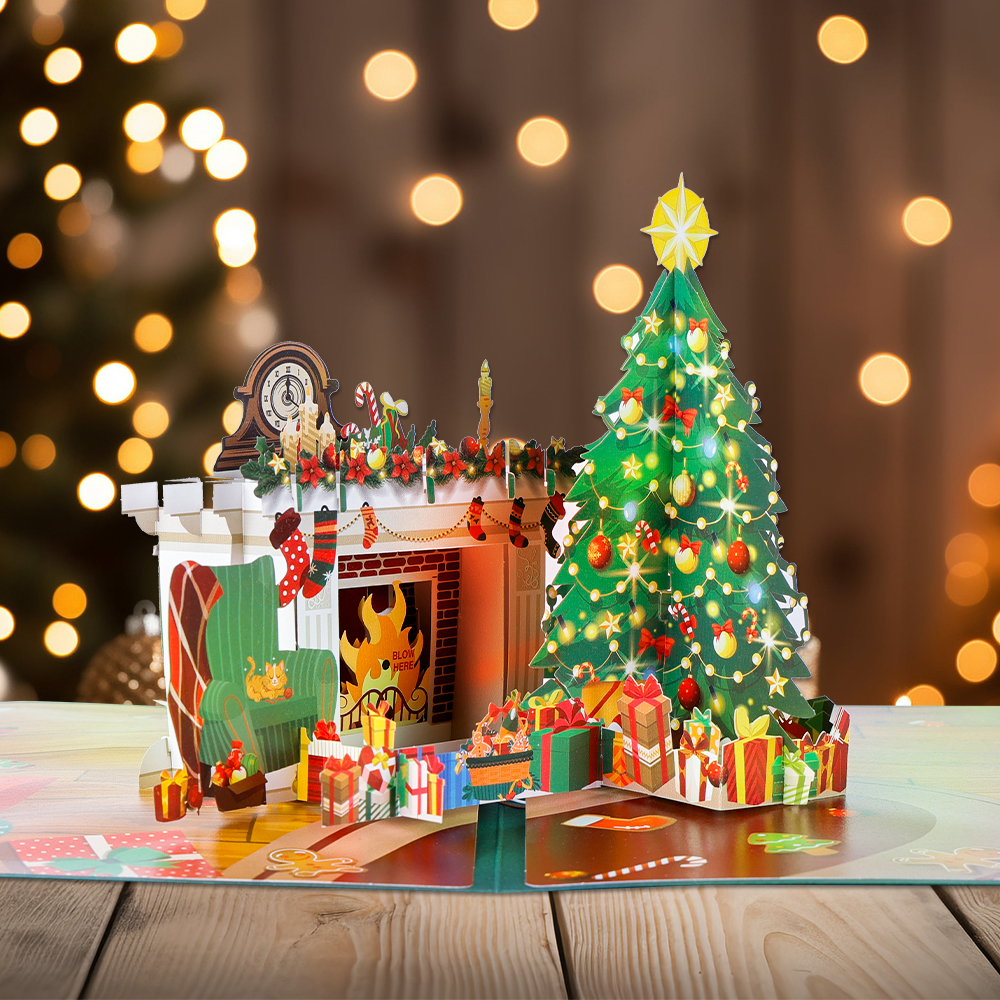
The more creative the card is, the more time it usually needs.
A standard printed Christmas card is relatively straightforward, but creative greeting cards often involve additional development and production steps.
3D Pop-Up Christmas Cards
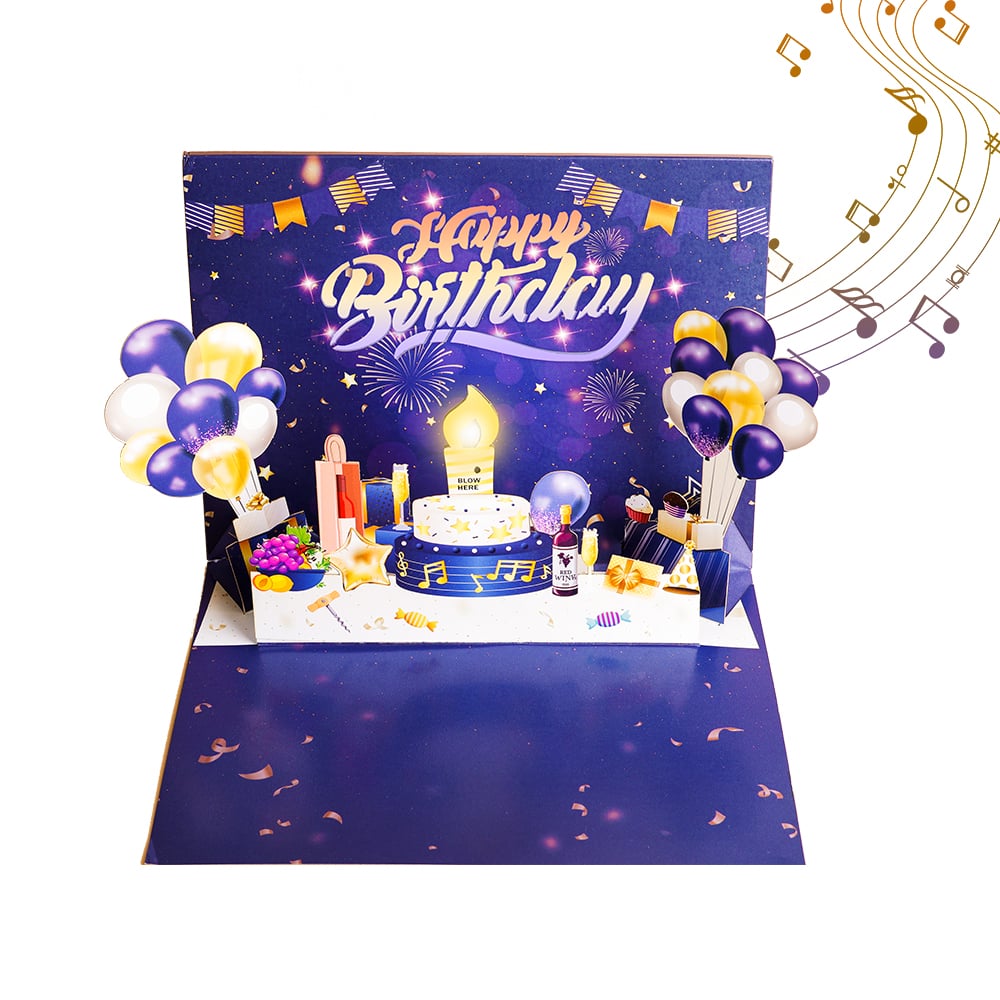
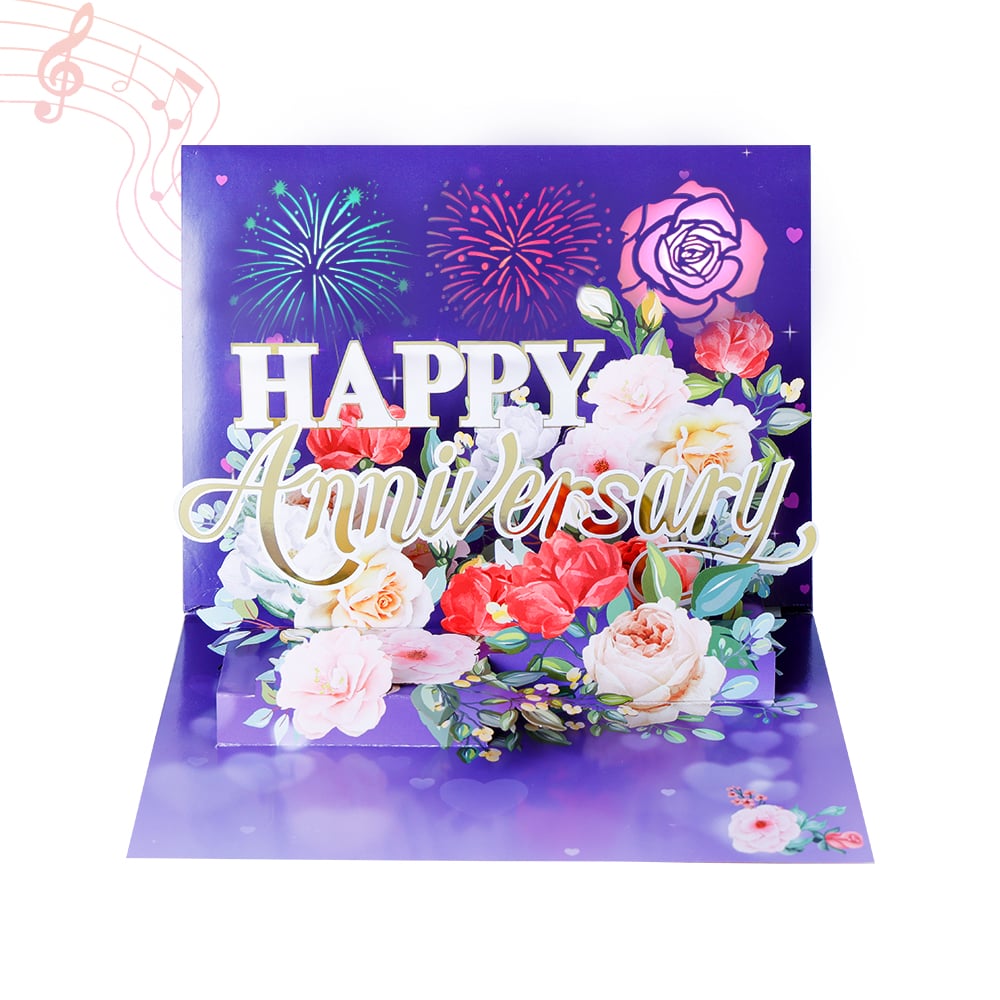
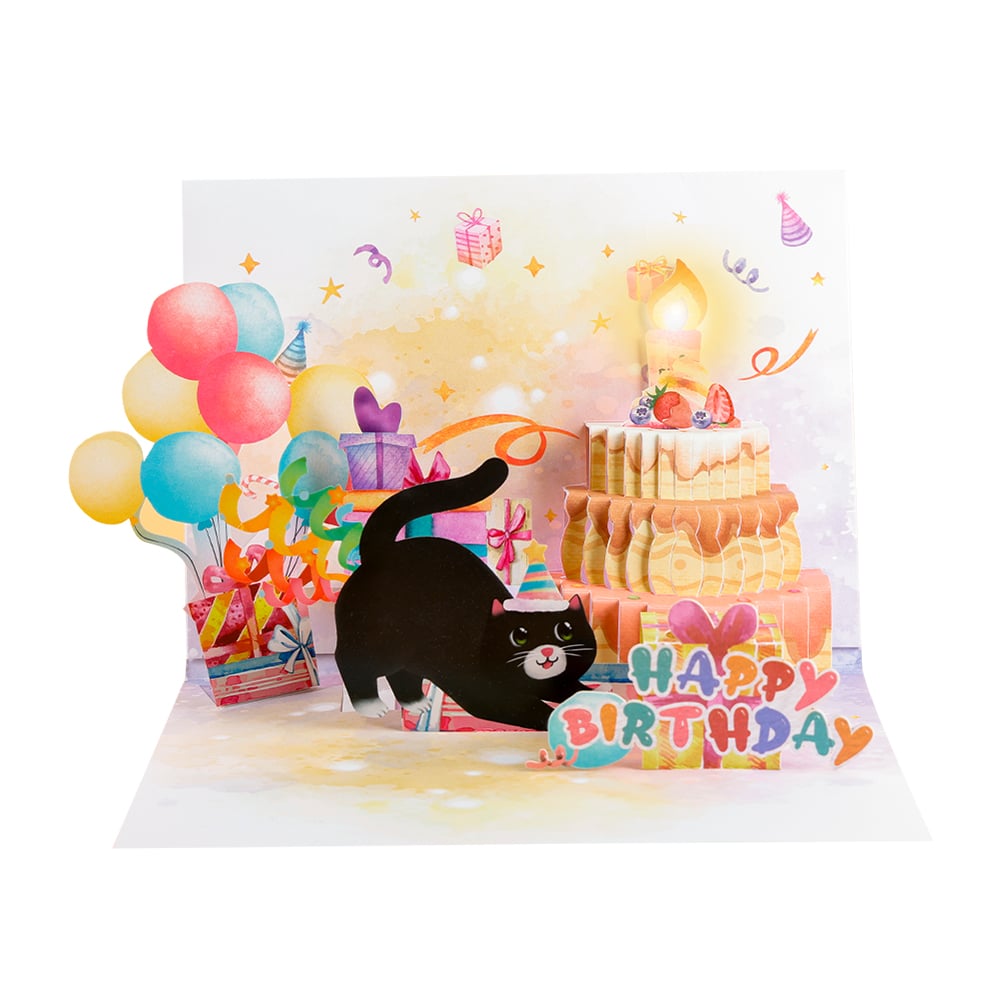
3D pop-up cards require structural design, die-cutting accuracy, folding tests, and assembly review. The card must open smoothly, stand correctly, and create a strong visual effect.
Musical Christmas Greeting Cards
Musical cards require sound module selection, button placement, sound quality testing, battery placement, and function inspection.
Light-Up Christmas Cards
Light-up cards require LED placement, circuit stability, battery design, and testing to make sure the lighting effect works properly.
Recordable Christmas Cards
Recordable cards require voice recording module integration, speaker placement, user experience testing, and function checks.
Handmade Christmas Cards
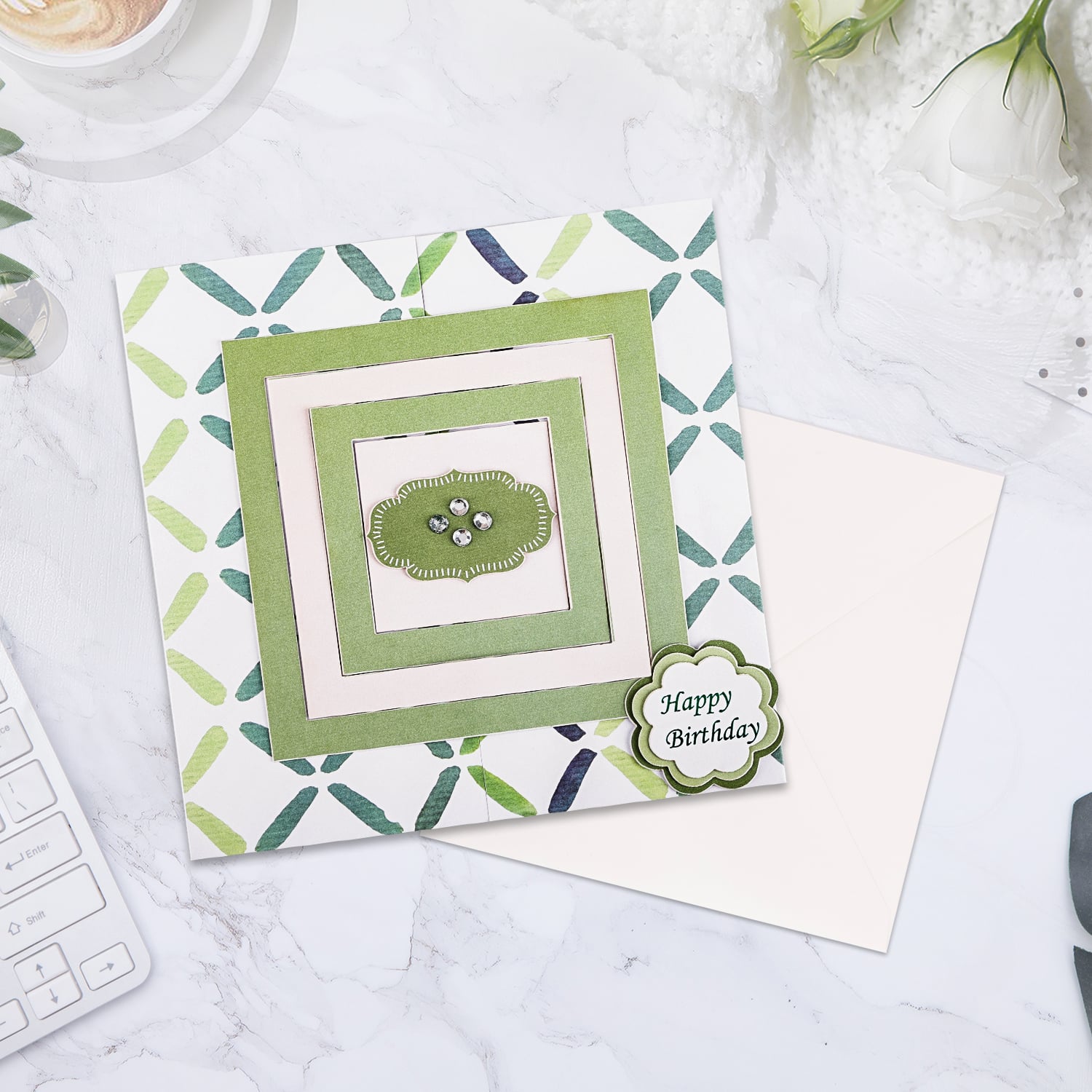
Handmade cards require material matching, decoration placement, assembly standards, and consistency control during production.
Because of these extra steps, buyers who want creative Christmas greeting cards should plan earlier than buyers ordering simple printed cards.
How Winpsheng Supports Custom Christmas Greeting Card Projects
Winpsheng provides OEM and ODM support for custom greeting card projects, including Christmas card collections for international buyers.
Our product range includes:
3D pop-up greeting cards
Musical greeting cards
Light-up greeting cards
Recordable greeting cards
Handmade greeting cards
Custom paper gift products
For Christmas greeting card development, we can support buyers from early discussion to finished production, including design review, structure suggestions, sampling, material selection, music and light module integration, handmade assembly, packaging customization, production planning, and quality control.
Whether you are a retail chain planning a full seasonal collection, a greeting card brand developing private-label products, an importer selecting wholesale Christmas cards, or an e-commerce seller preparing holiday inventory, our team can help suggest a practical development timeline based on your project needs.
FAQ
When should retailers start developing Christmas greeting cards?
Large retailers usually need to start 10 to 12 months before Christmas, especially for custom, private-label, or multi-SKU seasonal collections. This allows enough time for design approval, sampling, packaging, production, shipping, and retail launch preparation.
When should importers order custom Christmas greeting cards?
Importers usually need 6 to 9 months before Christmas to review samples, confirm prices, place orders, arrange production, inspect products, and manage international shipping.
Do 3D pop-up Christmas cards need more development time?
Yes. 3D pop-up Christmas cards need structural design, sample testing, die-cutting, folding review, hand assembly, and quality control before mass production.
Can Christmas cards be customized with music or lights?
Yes. Christmas greeting cards can be customized with music modules, LED light effects, or both. These products require extra time for module testing, battery placement, circuit review, and function inspection.
What is the difference between OEM and ODM Christmas greeting cards?
OEM Christmas greeting cards are produced based on the buyer's existing artwork, design, or specifications. ODM Christmas greeting cards require more development support from the manufacturer, such as concept suggestions, structure development, sampling, and production solutions.
Can packaging be customized for Christmas greeting cards?
Yes. Packaging can be customized with envelopes, retail bags, barcode labels, display boxes, gift boxes, assorted sets, and private-label branding according to the buyer's market and sales channel.
Can Winpsheng support custom Christmas greeting card projects?
Yes. Winpsheng supports OEM and ODM Christmas greeting card projects, including design discussion, sampling, production, quality control, packaging, and delivery support.
Conclusion
Christmas greeting cards may reach consumers near the end of the year, but for B2B buyers, successful product development often starts much earlier.
Large retailers may need to plan one year ahead. Greeting card brands and private-label buyers usually need 7 to 10 months. Importers and wholesalers may need 6 to 9 months. Gift companies, e-commerce sellers, and small-batch buyers may work with shorter timelines, depending on product complexity.
For creative products such as 3D pop-up Christmas cards, musical cards, light-up cards, recordable cards, and handmade cards, early planning is especially important.
If you are developing custom Christmas greeting cards for your next seasonal collection, Winpsheng can support your project from concept discussion and sampling to production, packaging, and delivery.
CTA
Planning your next Christmas greeting card collection? Contact Winpsheng to discuss the right development timeline for your custom Christmas greeting card project.
 Hot News
2026-09-15
2026-08-21
2026-08-17
2026-07-15
2026-06-23
2026-06-11
 EN
EN