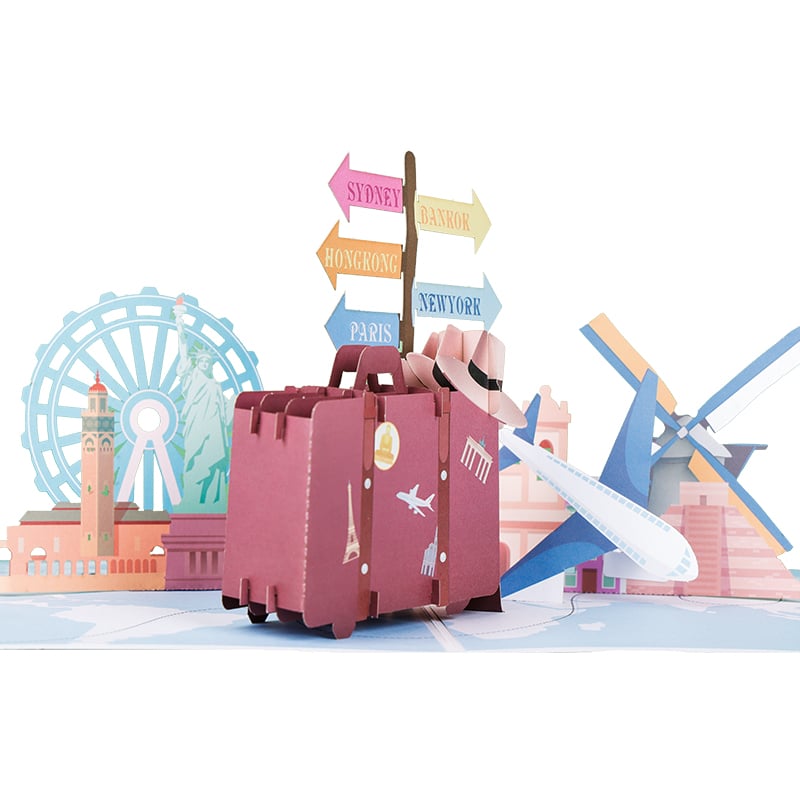
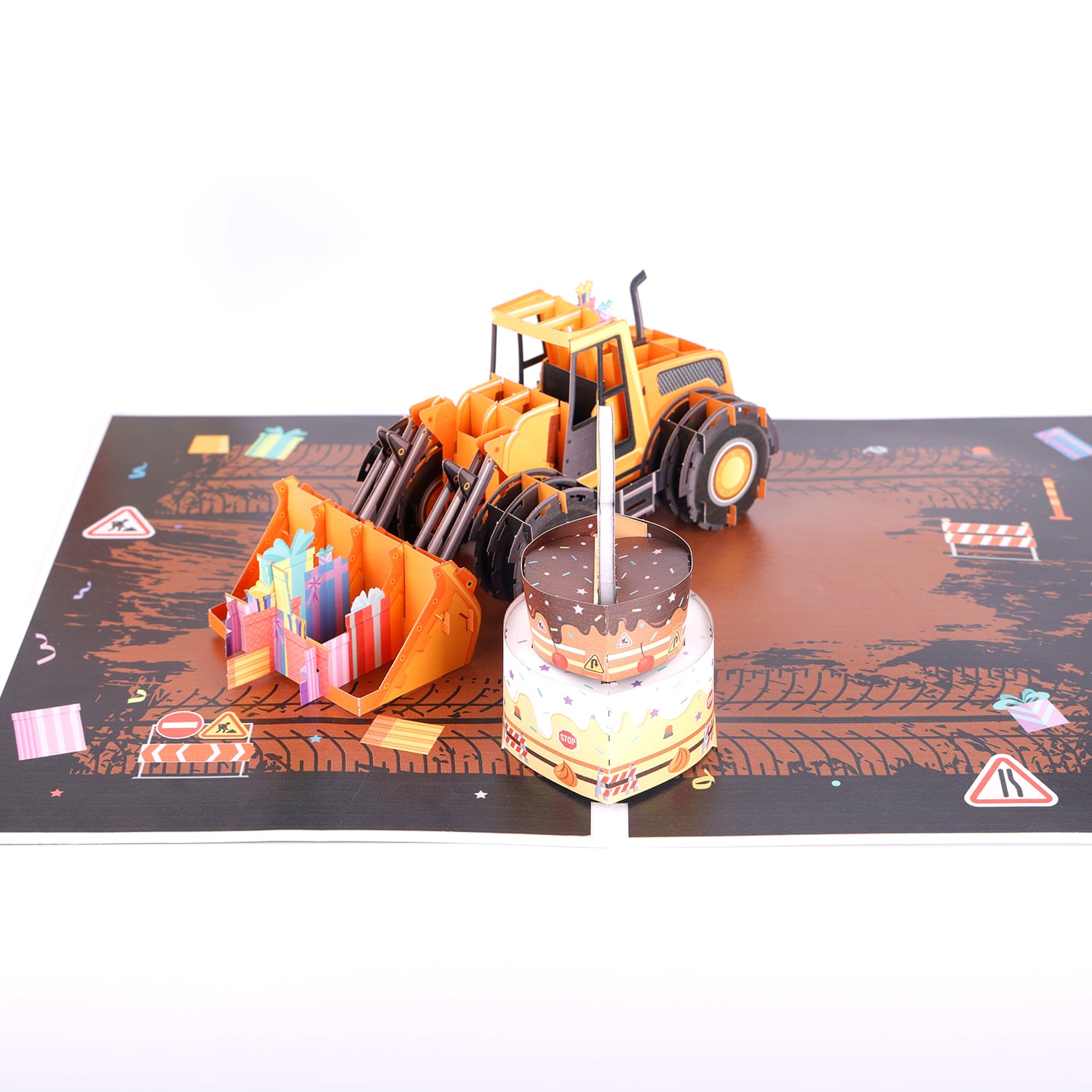
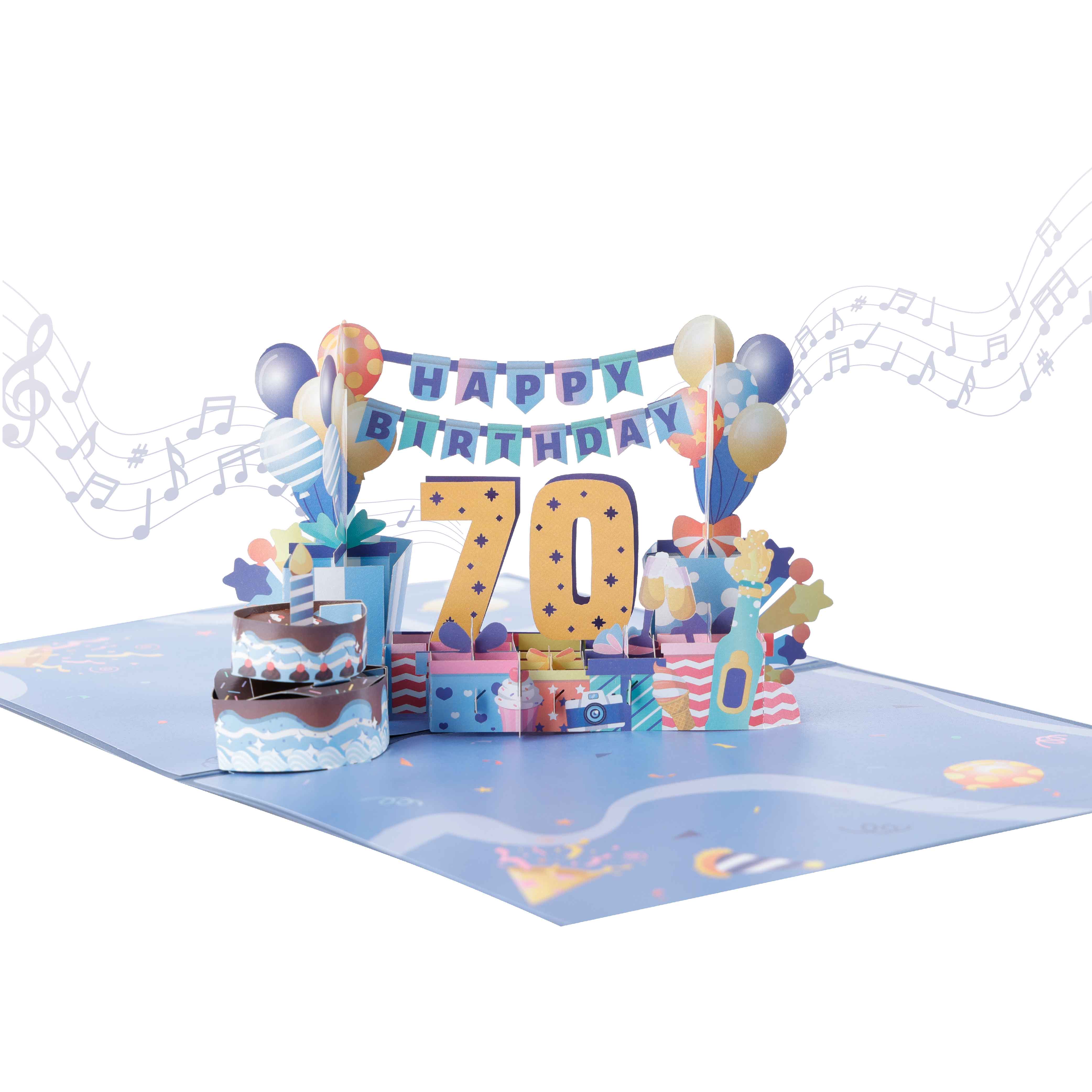
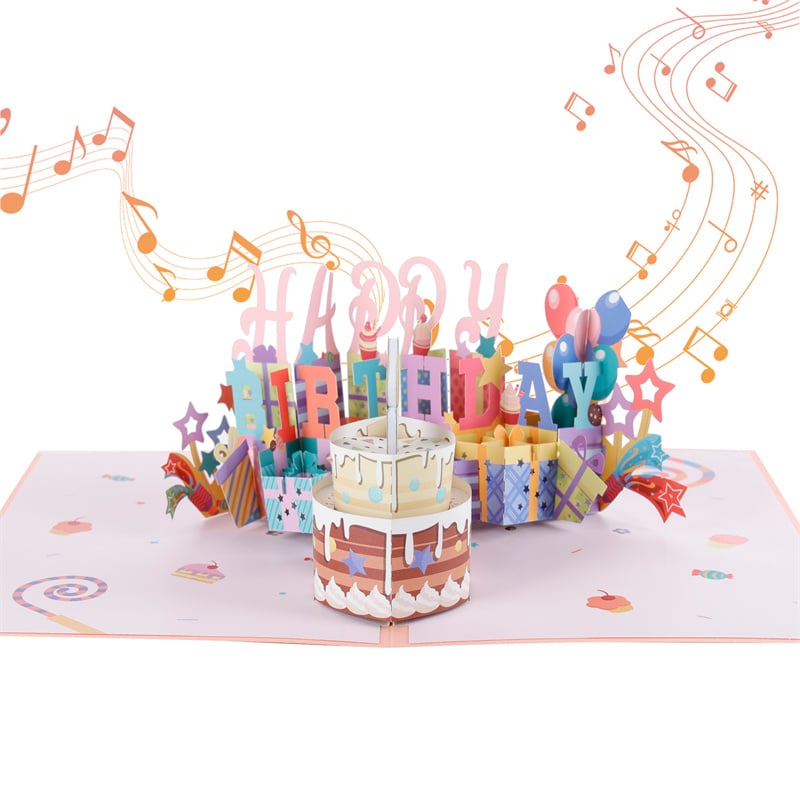
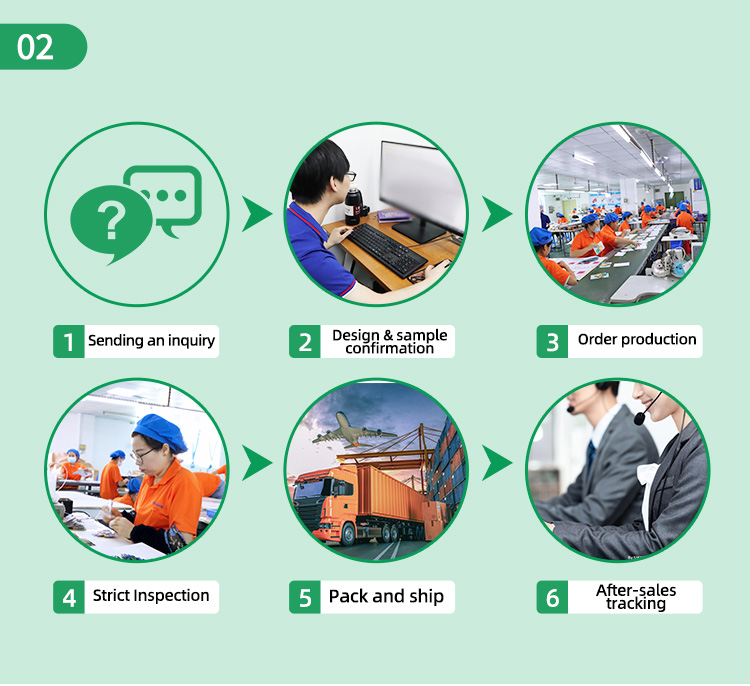
Handmade greeting cards can create a sense of care, texture and individuality that standard printed products may not deliver on their own. For brands and retailers, however, the commercial challenge is not simply to make one beautiful sample. The design must be translated into a repeatable product that can be assembled, inspected, packed and supplied consistently across a larger order.
Winpsheng is a custom greeting card manufacturer supporting OEM and ODM projects for global brands, retailers, gift companies, importers and private-label buyers. Handmade card programs can combine printing with layered paper, cut-paper elements, ribbons, fabric, decorative accessories or other approved details. The exact process depends on the confirmed design, material and order requirements.
Why Brands Choose Handmade Greeting Cards
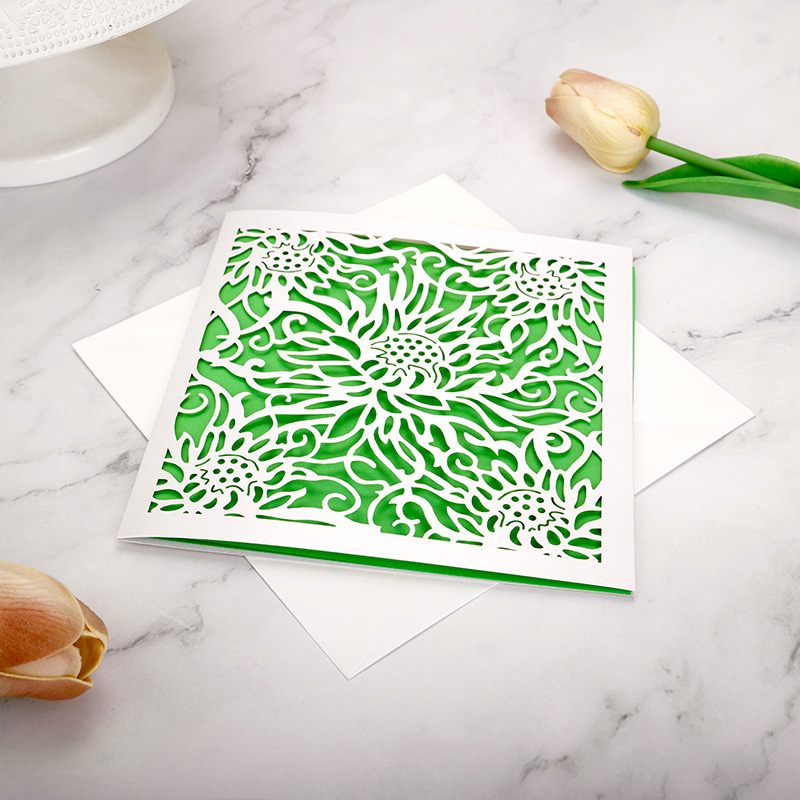
Handmade details are often used when a collection needs stronger shelf presence or a more personal visual language. Raised decoration and mixed materials can help distinguish premium occasion cards, boutique stationery and gift-oriented products. They can also support a broader product range in which simple printed cards serve one price level and more detailed products serve another.
The best commercial use of handmade detail is selective. Every ribbon, layered part or accessory should contribute to the design. Adding decoration without a clear purpose can increase thickness and assembly work without improving the customer experience.
Begin with a Manufacturable Design
A successful project starts with the target market, retail channel, price position, estimated quantity and intended packaging. These inputs guide the level of decoration that is practical. A boutique range may accept more intricate assembly, while a large retail program may need simpler placement, faster handling and stronger protection during transport.
Identify the occasion, customer and selling channel.
Define the approved card size and envelope requirement.
Set the visual focal point and decoration hierarchy.
Confirm which elements are printed and which require manual assembly.
Review finished thickness, weight and packaging needs.
Select Materials for Appearance and Assembly
Material choice affects color, texture, gluing, folding and finished stability. Decorative paper, ribbon, fabric or small accessories should be evaluated together with the card base. A material that looks attractive in isolation may be difficult to position consistently or may require different packaging once attached.
The development team should also consider how surfaces respond to adhesive, whether delicate parts can catch during handling and whether the completed card closes properly. Material approval is therefore part of product engineering, not only a design decision.
Create a Master Sample and Placement Standard
The confirmed sample becomes the primary production reference. It should show the approved artwork, paper, decoration, color, placement and overall appearance. For elements applied by hand, the production team may use visual references, marked positions or simple placement guides to reduce variation.
A clear standard helps workers answer practical questions: Where does the ribbon begin? How much overlap is allowed? Which direction should the accessory face? How should excess adhesive be avoided? These details protect the design when production moves beyond the first prototype.
Plan Assembly as a Controlled Workflow
Handmade does not mean uncontrolled. Assembly can be divided into defined stages, with materials prepared, counted and checked before they reach the workstation. The sequence of folding, gluing and decoration should minimize handling damage and allow completed components to set properly before the next step.
Prepare approved materials and quantities by design.
Use the confirmed sample at the workstation.
Apply decorations in a defined sequence.
Separate work-in-progress to prevent mixing components.
Check appearance before the card moves to packaging.
Quality Control for Handmade Details
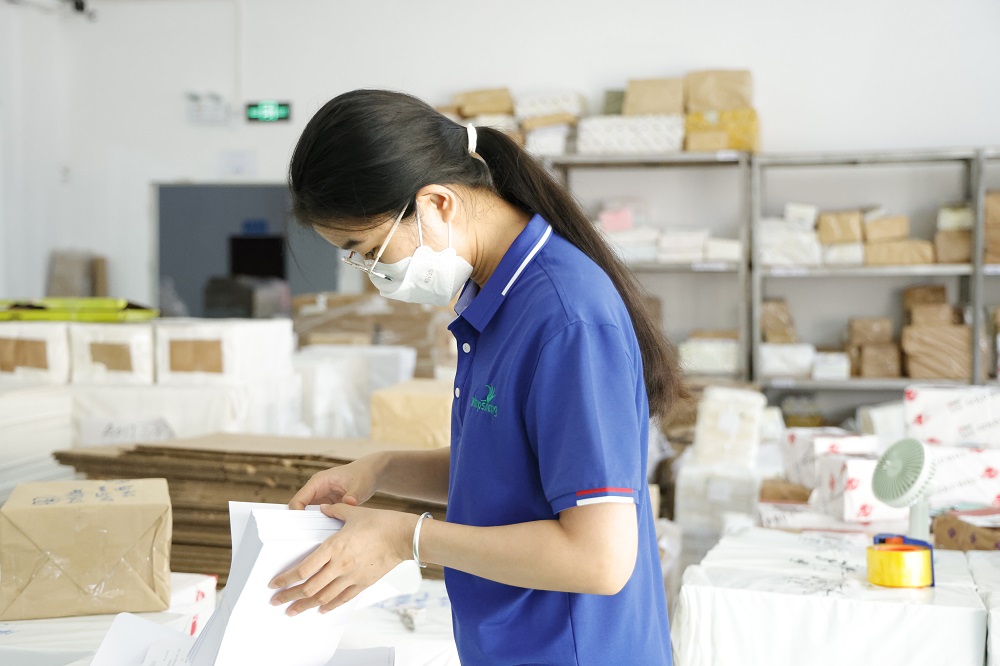
Inspection should combine common greeting-card checks with design-specific criteria. Common checks include print cleanliness, cutting, folding, card and envelope matching, and packaging completeness. Handmade checks may focus on placement, orientation, glue visibility, missing parts, loose accessories and surface damage.
Acceptable natural variation should be distinguished from defects. This is particularly important for materials with texture or manually positioned elements. The buyer and manufacturer should agree on the intended appearance through the approved sample rather than relying on vague descriptions such as “perfectly handmade.”
Protect the Product with Suitable Packaging
Raised decorations may require more protection than a flat printed card. Depending on the design and sales channel, packaging may include a matching envelope, protective bag, insert, belly band, box or display-ready solution. E-commerce products may need extra protection against pressure, while physical retail may prioritize visibility and barcode placement.
OEM and ODM Development Routes
In an OEM project, the buyer usually provides approved artwork and specifications. Winpsheng reviews feasibility, prepares the sample and establishes production references. In an ODM project, the buyer may begin with a customer profile, occasion, style reference or collection direction and receive support with concept refinement, material options, decorative structure and sampling.
To start efficiently, buyers should prepare the intended market, quantity, number of designs, target price level, artwork status, decoration preferences, packaging needs and schedule. These details make it easier to recommend a balanced construction instead of overdesigning the product.
Frequently Asked Questions
Can handmade greeting cards be produced in larger quantities?
They can be produced for B2B orders when the design is converted into clear materials, assembly steps, approved samples and inspection criteria. Feasibility depends on the actual construction and order requirements.
What handmade elements can be added to a greeting card?
Options may include layered paper, ribbon, fabric, cut-paper parts and approved decorative accessories. The best choices depend on appearance, attachment method, thickness, packaging and production practicality.
How are handmade cards kept consistent?
Consistency is supported by a master sample, placement references, controlled material preparation, defined assembly sequences and design-specific inspection.
Do handmade cards require special packaging?
Some raised or delicate designs need additional protection. Packaging should be selected after the finished sample confirms thickness and vulnerable areas.
Conclusion
For brands, the value of a handmade greeting card comes from both creativity and execution. Winpsheng supports custom handmade card development by connecting design review, material selection, master sampling, controlled assembly, inspection and retail packaging. A clear brief and approved sample help transform handcrafted detail into a product that is practical for a commercial collection.
 Hot News
2026-09-15
2026-08-21
2026-08-17
2026-07-15
2026-06-23
2026-06-11
 EN
EN