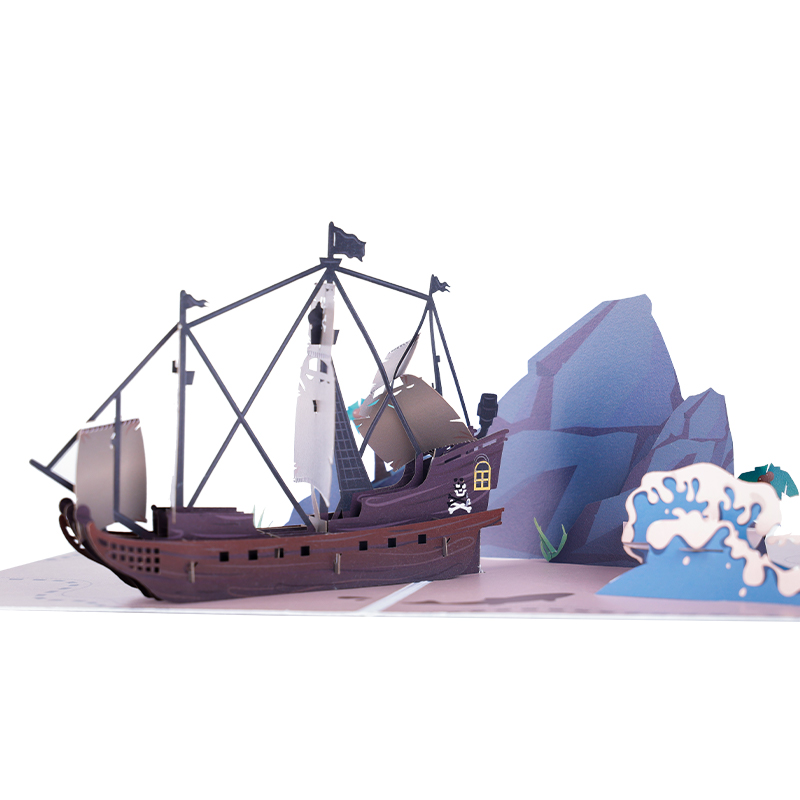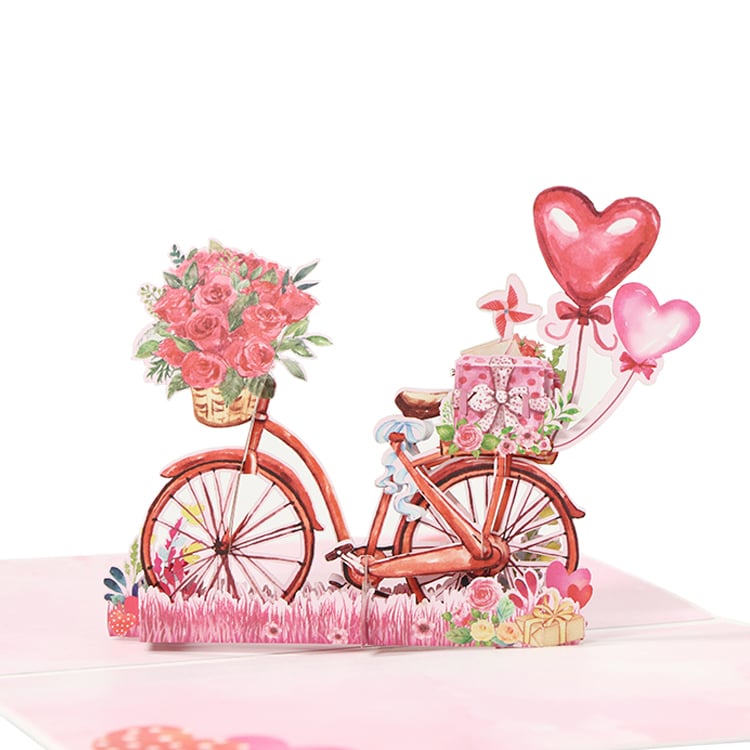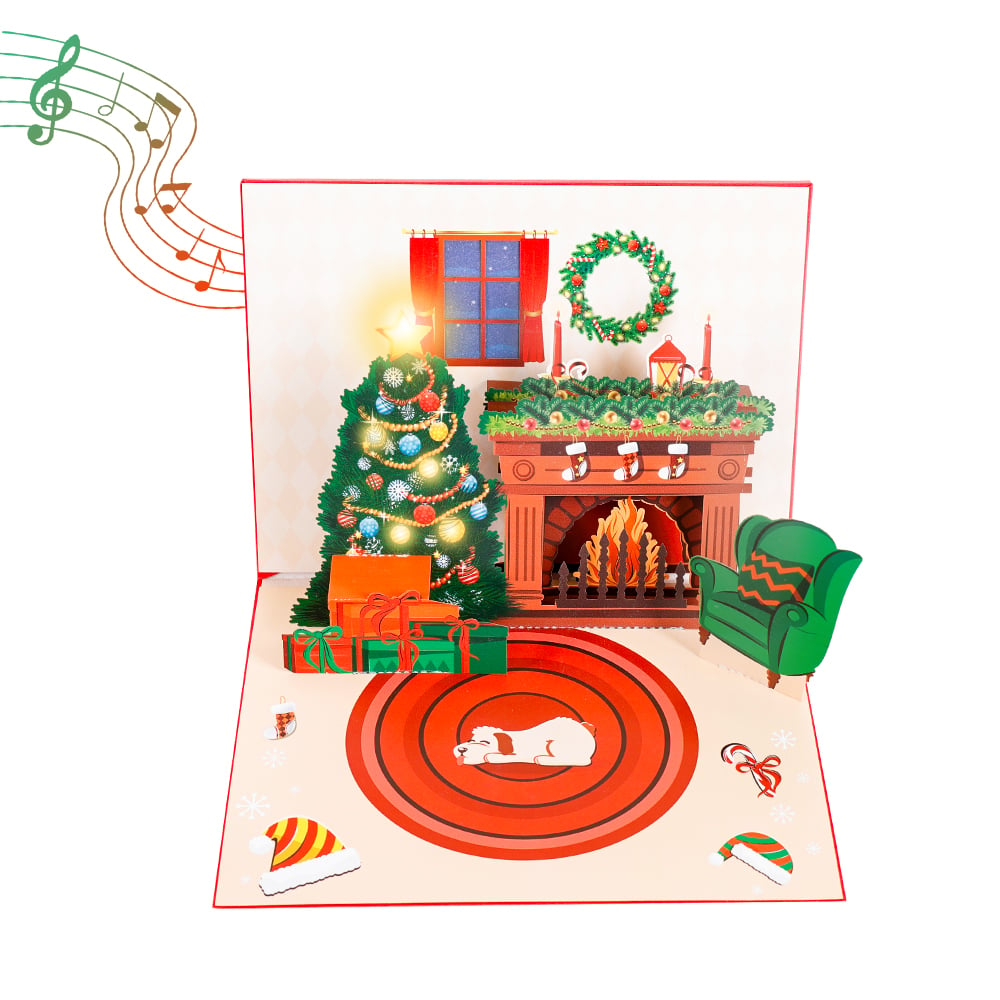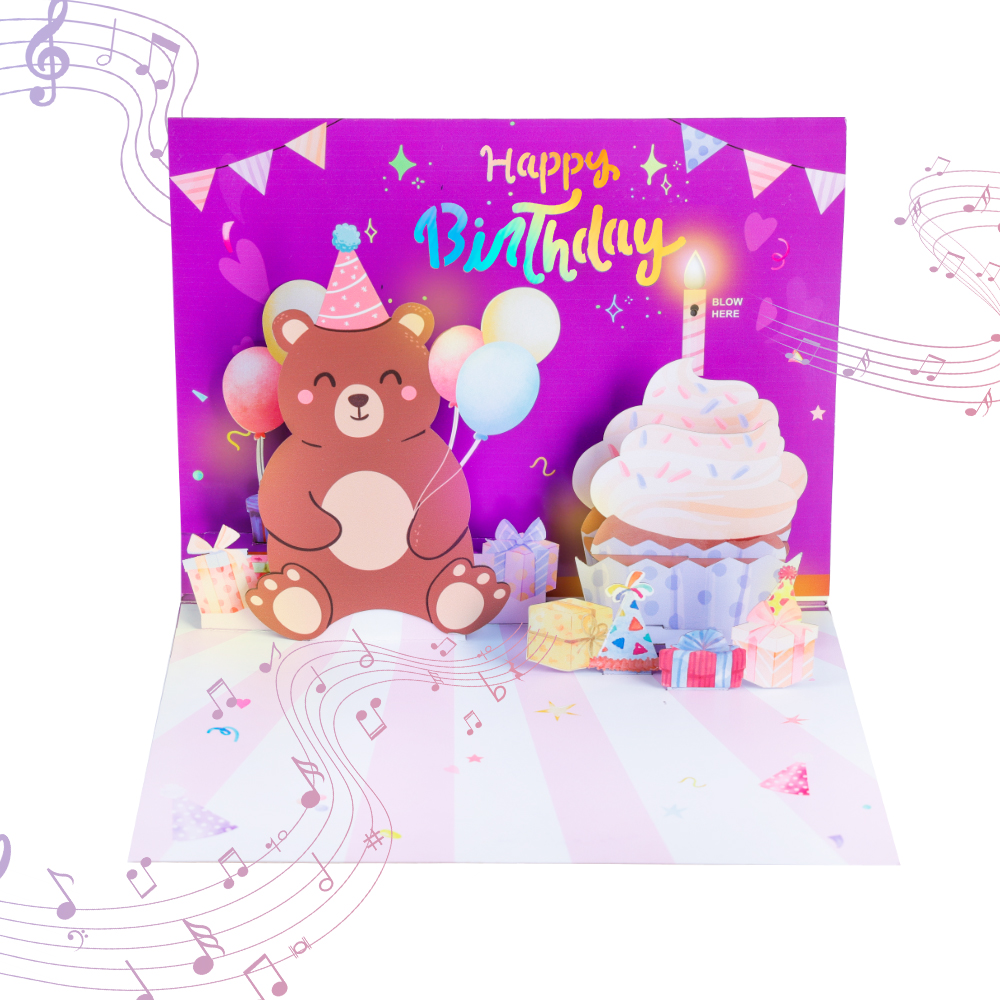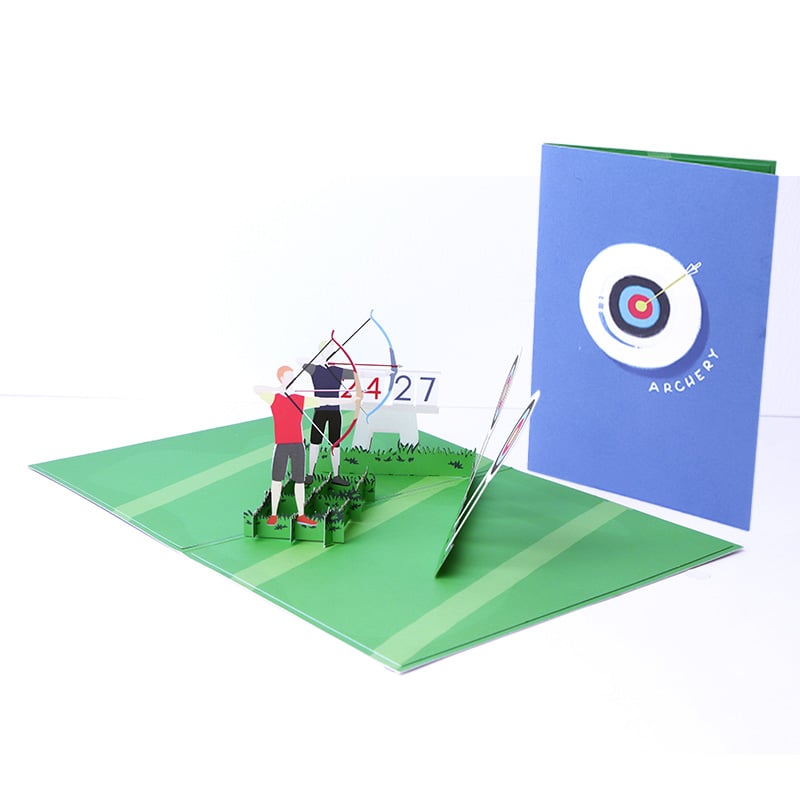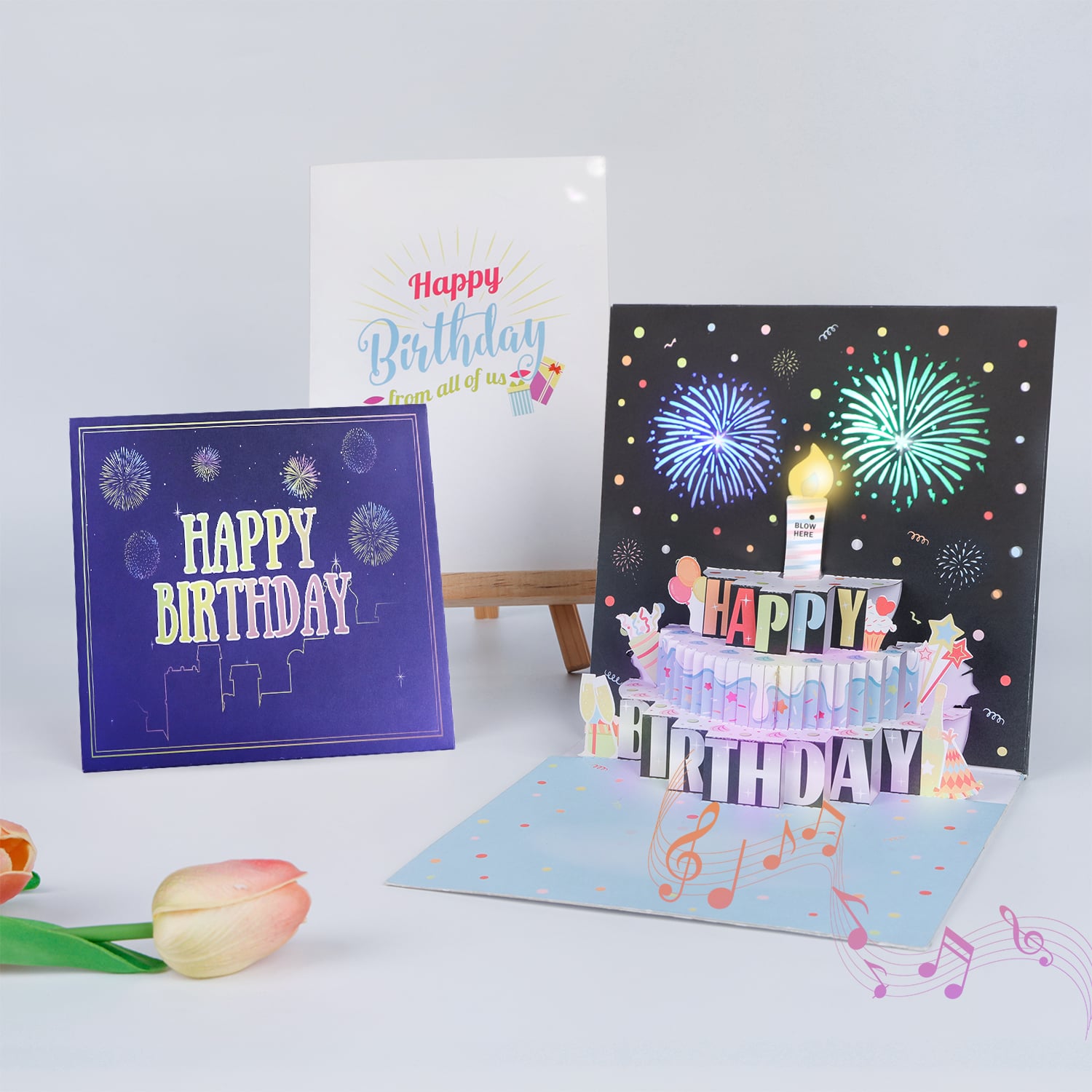
A successful 3D pop-up greeting card begins with more than an attractive illustration. It must combine a clear market concept, workable paper engineering, suitable materials, dependable opening and closing performance, and a production method that can be repeated consistently across an order.
Winpsheng is a custom greeting card manufacturer supporting OEM and ODM projects for brands, retailers, gift companies, importers and private-label buyers. For custom 3D pop-up greeting cards, the development process can cover concept review, structural design, material selection, sampling, production planning, quality control and retail packaging.
Start with the Market, Not Only the Mechanism
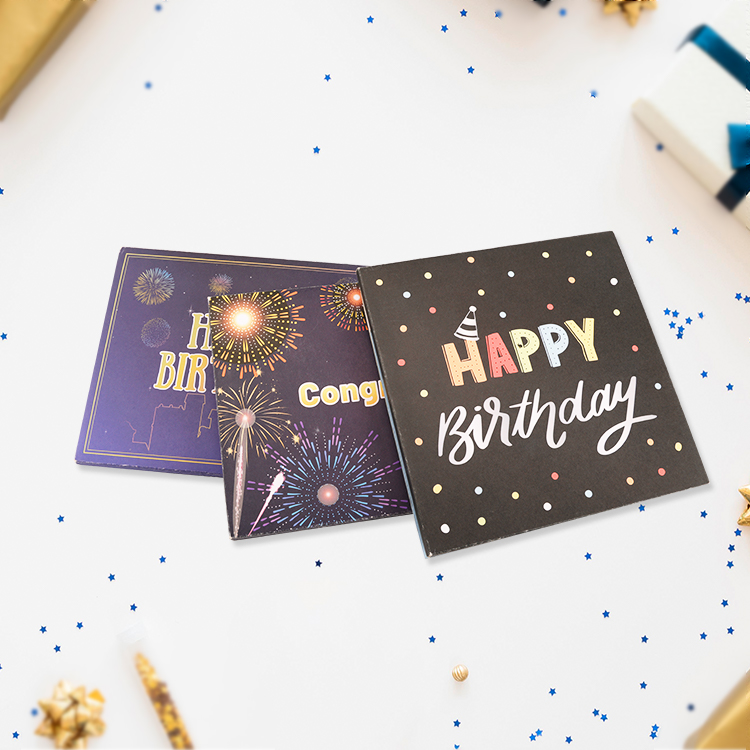
Before choosing a pop-up structure, define where the card will be sold and why the customer will buy it. A premium gift shop may expect intricate paper details and specialty finishes, while a high-volume retail program may need a simpler structure, efficient assembly and a competitive target price.
Target country or region
Customer profile and occasion
Retail or e-commerce channel
Expected retail price and target cost
Order quantity and assortment plan
Required envelope, packaging, barcode and private-label elements
This information gives the manufacturer a practical development brief. It also prevents the design team from creating a complicated structure that does not fit the intended market or price level.
Choose a 3D Concept That Communicates Quickly
The visual idea should be easy to understand as soon as the card opens. Common directions include birthday cakes, floral scenes, landmarks, animals, vehicles, wedding scenes and holiday icons. For branded projects, a store, product silhouette, mascot or recognizable campaign element can become the central paper structure.
A strong concept normally has one clear focal point, supporting layers and enough open space for the structure to remain readable. Adding more layers does not automatically create a better card; depth, balance and visual hierarchy matter more than complexity alone.
Translate Artwork into Paper Engineering
Flat artwork cannot simply be printed and folded into a reliable pop-up. The concept must be converted into connected paper parts with defined cut lines, fold lines, tabs, slots and attachment points. During structural development, the designer considers how far each layer moves, where stress is concentrated and whether all parts return safely inside the card when it closes.
Open smoothly without forcing the cover
Stand in the intended position when fully open
Close without catching, crushing or protruding
Keep delicate elements supported
Allow stable alignment during assembly
Fit the envelope and planned retail package
Select Paper for Structure, Printing and Feel
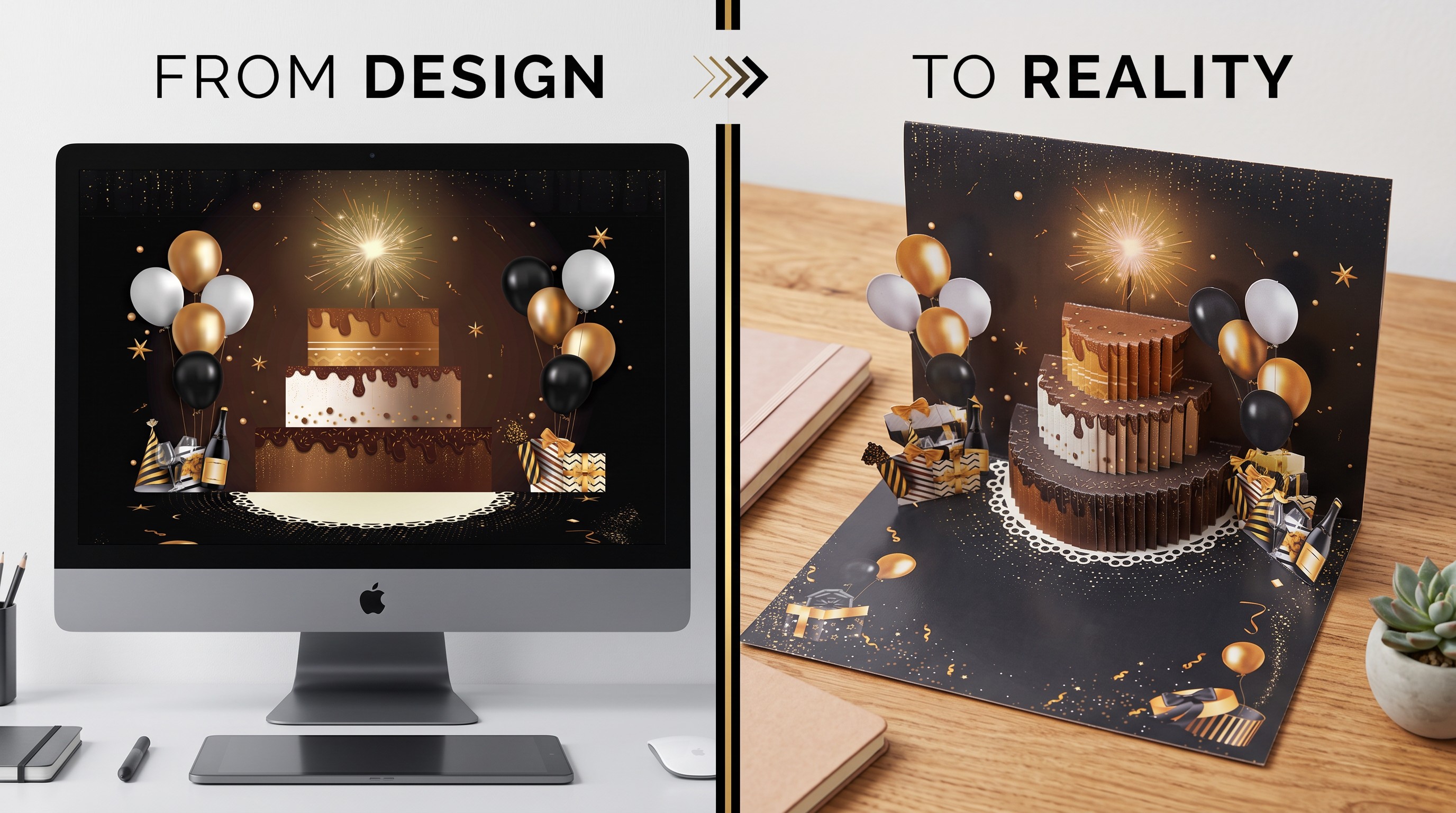
Paper selection affects appearance, folding behavior, structural strength and production efficiency. The cover and internal pop-up do not always need the same stock. A heavier cover can create a premium feel, while internal parts may require a weight that cuts cleanly and moves reliably.
Structural rigidity required by the design
Number and size of moving layers
Printing method and color coverage
Creasing and folding performance
Laser-cut or die-cut detail
Surface texture and finishing
Envelope thickness and mailing or packaging limits
The best material choice is confirmed through sampling rather than selected by paper weight alone. Grain direction, coating, density and the geometry of the mechanism can all affect performance.
Add Finishes Without Reducing Function
Foil stamping, embossing, specialty paper, spot effects and laser-cut details can increase perceived value. However, decorative processes should not interfere with fold lines, glue areas or moving joints. Finishing should therefore be planned together with the structure, not added after engineering is complete.
Build and Review a Functional Prototype
The prototype stage is where the concept becomes a manufacturable product. Buyers should review both appearance and operation: artwork, color direction, dimensions, opening angle, layer alignment, envelope fit, message area and packaging presentation.
Does the focal design appear immediately?
Does the card open and close repeatedly without damage?
Are small parts protected inside the cover?
Are glue points hidden and secure?
Is the writing area practical?
Does the finished thickness match the envelope and package?
If the project includes several designs, approving a construction standard for the collection can make the range more visually consistent and easier to manage.
Prepare the Design for Repeatable Production
A prototype can be assembled slowly by a specialist, but mass production requires clear placement and inspection standards. Before production, the confirmed sample should define paper, print color, cutting, creasing, attachment positions, opening performance and packaging. Where handmade assembly is involved, guides or fixtures may be used to keep parts aligned.
Quality Checks for Custom Pop-Up Cards
Print registration and surface cleanliness
Cutting and creasing accuracy
Correct orientation of every component
Glue security and clean attachment areas
Smooth opening, standing and closing
Cover and insert alignment
Envelope and packaging completeness
Inspection criteria should reflect the actual design because a delicate landmark card and a simple single-piece pop-up have different risk points. Functional checks are especially important: a card that looks correct while open may still fail if it catches or bends when closed.
Plan Packaging and Private-Label Details Early
Packaging protects the structure and prepares the product for its sales channel. Options can include a matching envelope, individual protective bag, belly band, sticker, barcode label, header card, gift box or display-ready assortment. Brand logos, copyright lines and retail information should be included in the artwork approval process.
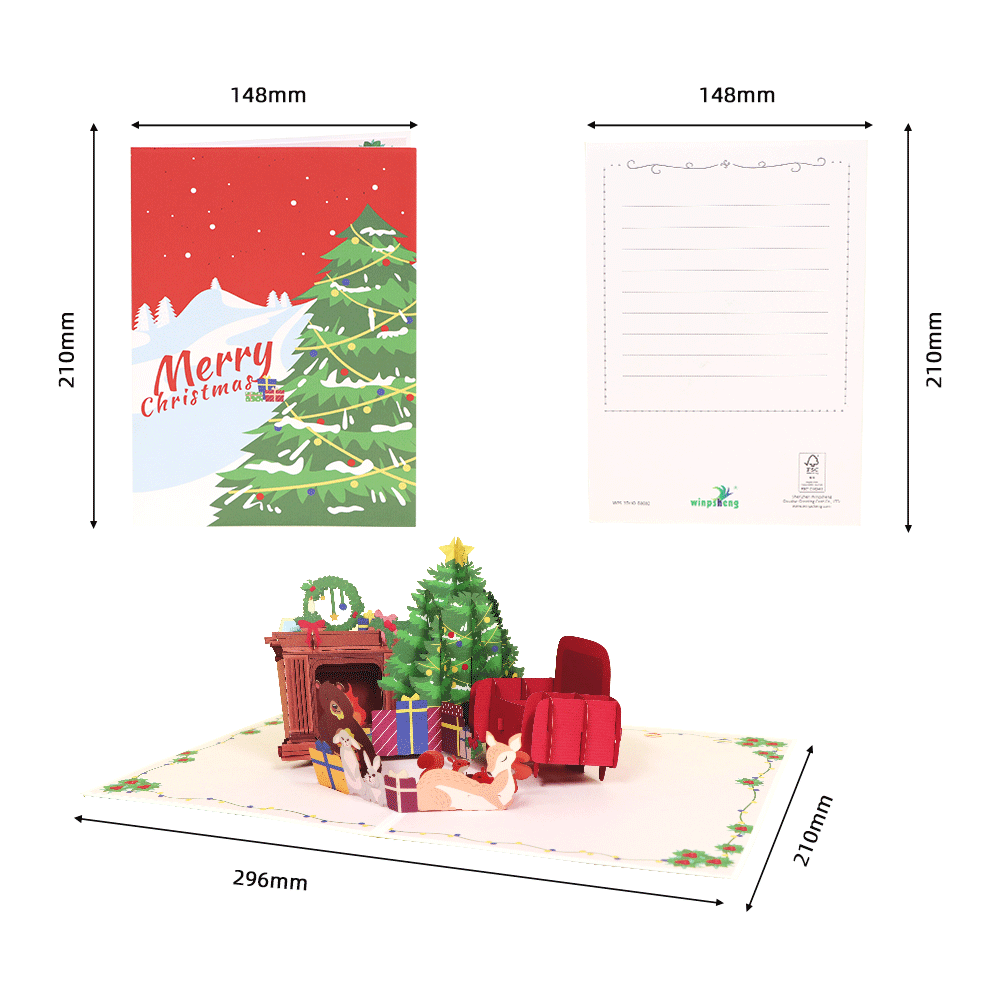
How Winpsheng Supports 3D Pop-Up Card Development
Winpsheng can support buyers who provide complete artwork as well as buyers who begin with a theme, reference image or product idea. The project can progress through design review, structural engineering, material recommendations, prototype development, sampling, production planning, assembly control and packaging.
For an efficient quotation and feasibility review, prepare the target market, card size, expected quantity, target price, artwork status, preferred finishes, envelope or packaging requirements and delivery schedule. Clear inputs allow the development team to recommend a structure that balances visual impact, product quality and production practicality.
Frequently Asked Questions
What information is needed to start a custom pop-up card project?
A useful starting brief includes the occasion or theme, target market, approximate size, quantity, price level, artwork or references, packaging needs and schedule.
Can a pop-up card be developed from a rough idea?
Yes. An ODM-oriented project can begin with a concept or visual direction, followed by artwork and structural development before sampling.
Why is sampling important for 3D pop-up cards?
Sampling confirms that the artwork, paper, cut lines, folds and attachment points work together and that the card opens, stands and closes as intended.
Can pop-up cards include private-label packaging?
Yes. Branding can be applied to the card, envelope and suitable retail packaging, subject to the confirmed design and production requirements.
 Hot News
2026-09-15
2026-08-21
2026-08-17
2026-07-15
2026-06-23
2026-06-11
 EN
EN