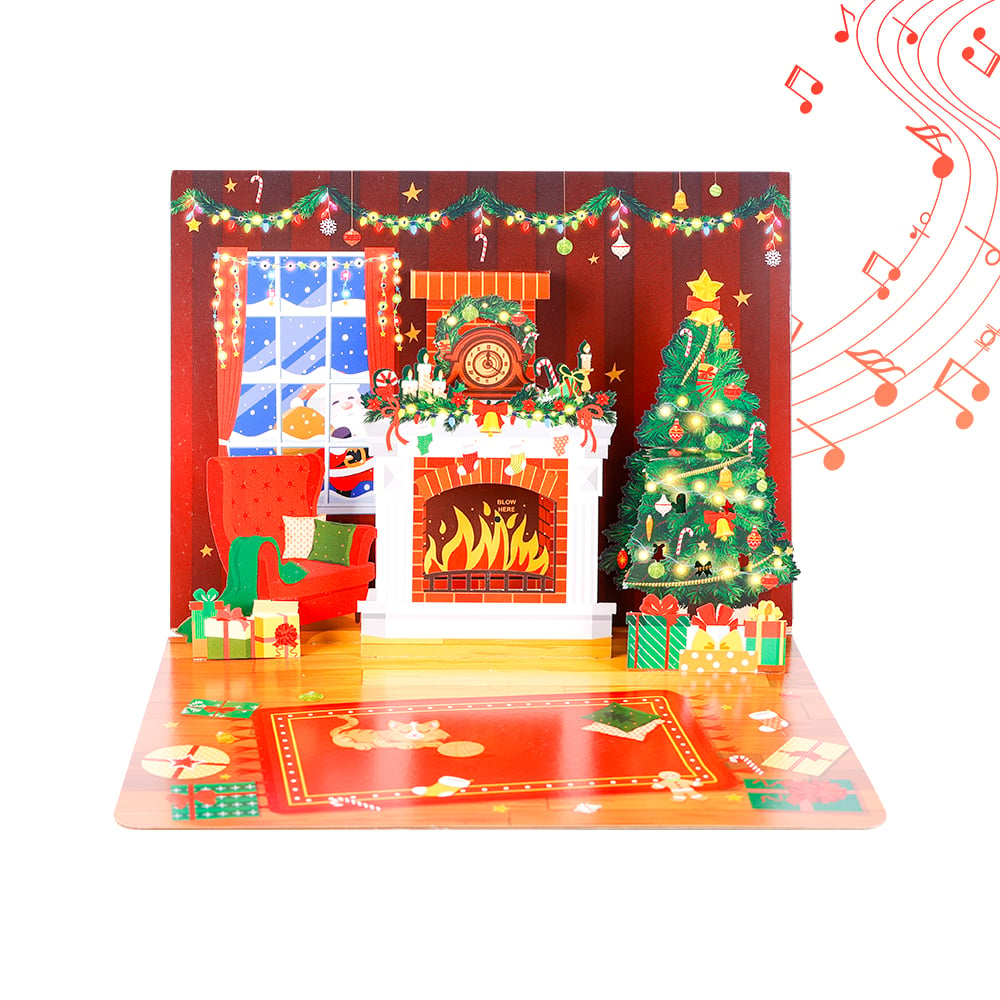
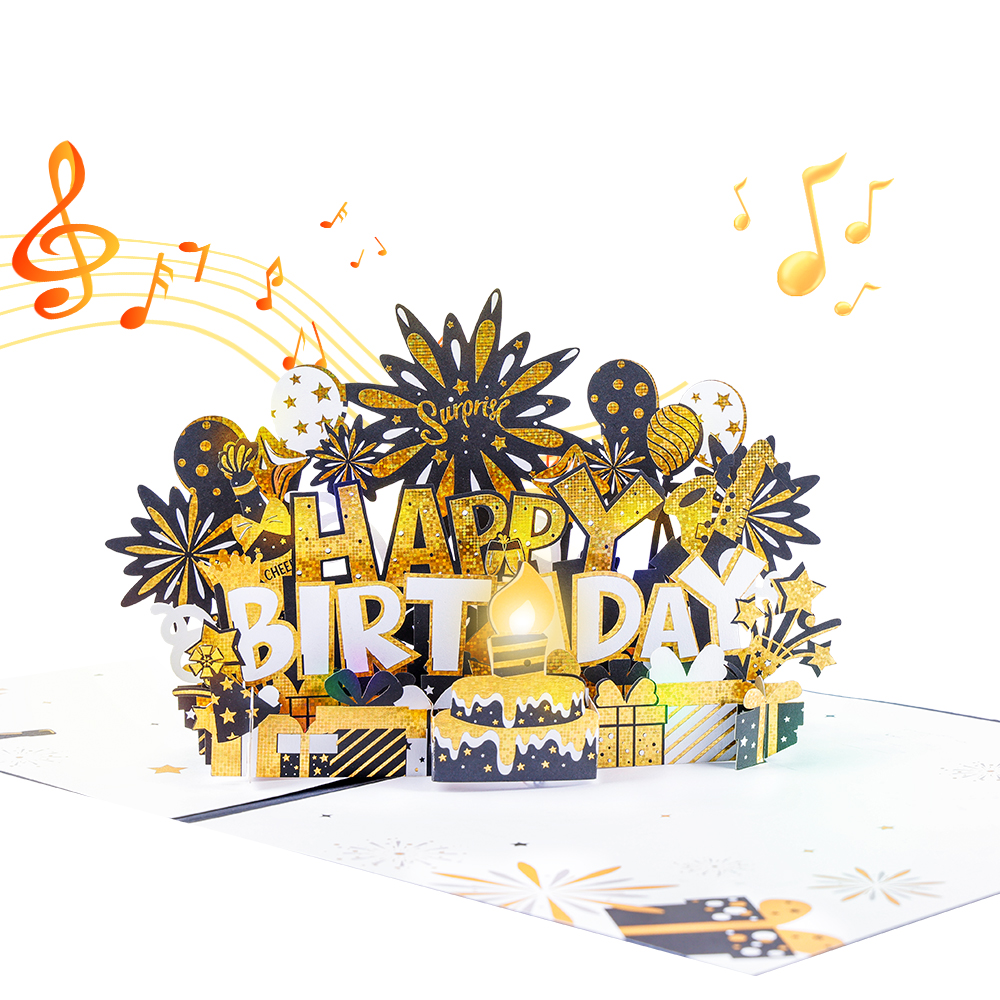
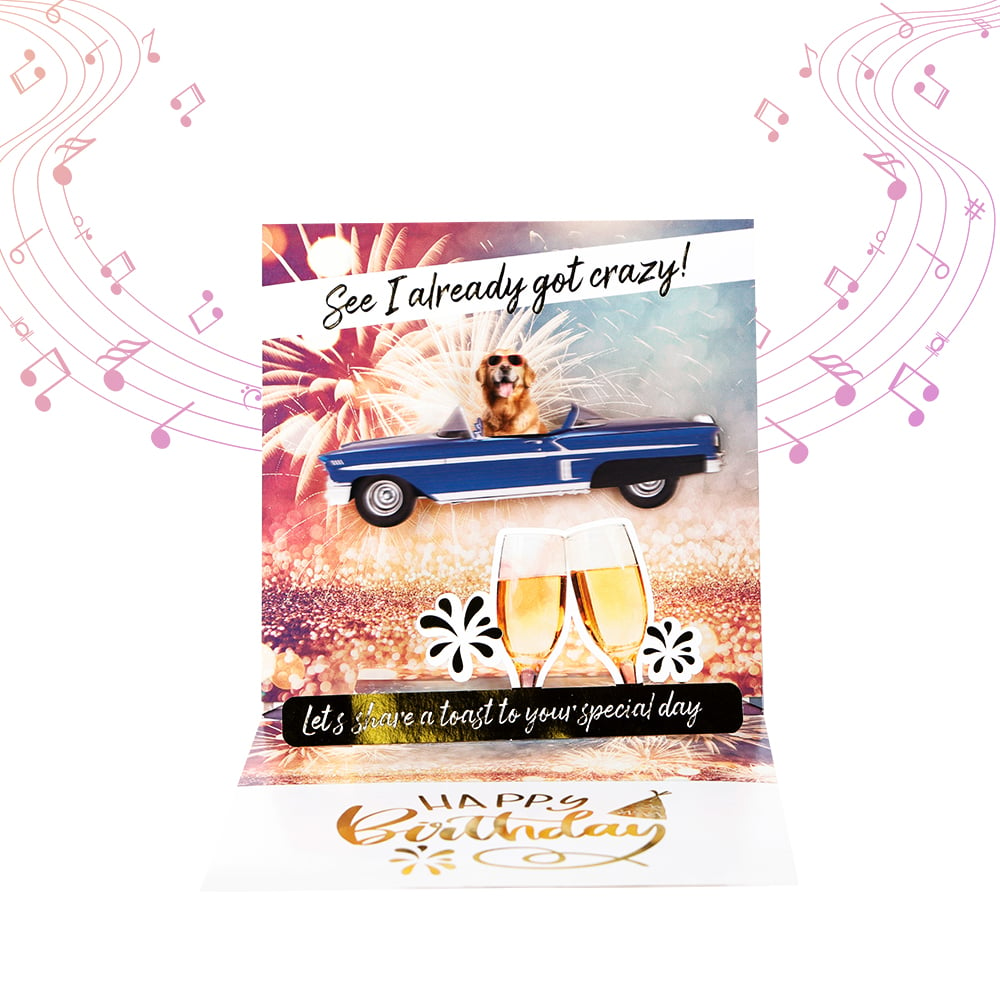
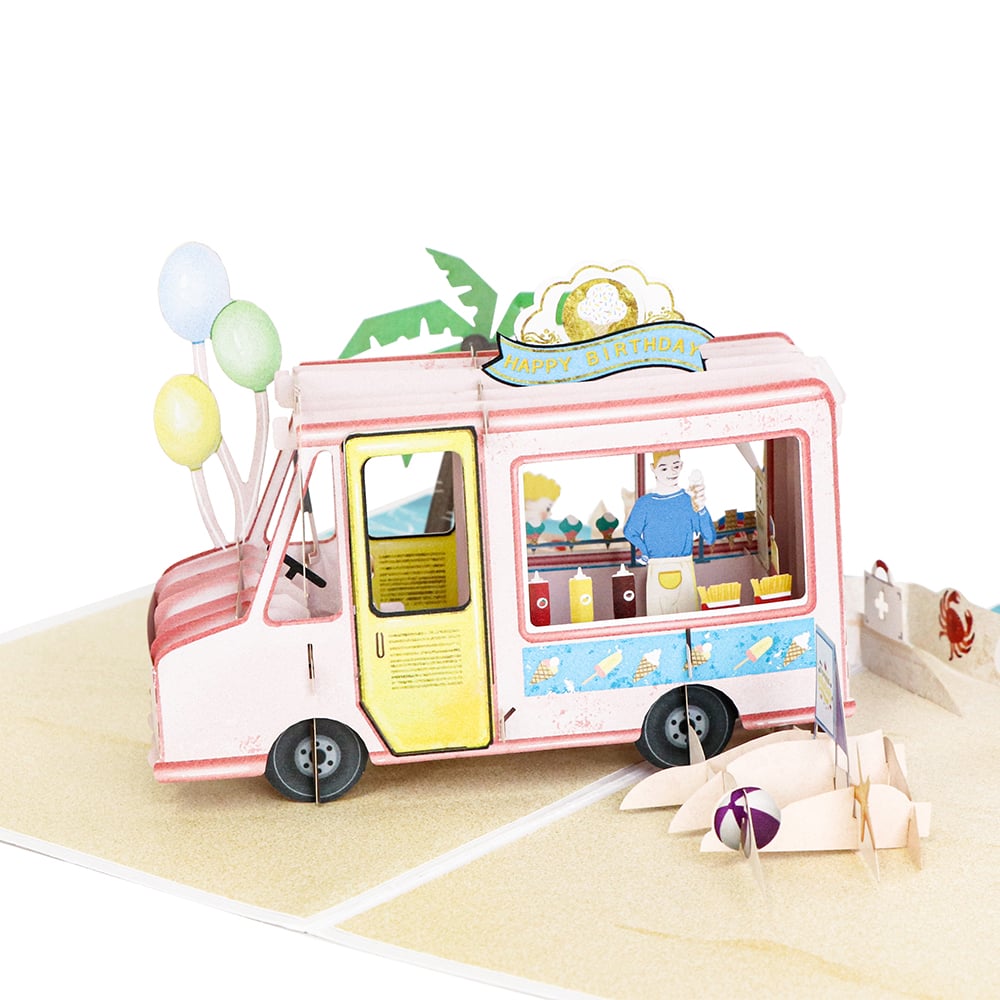
Musical greeting cards combine printed communication with sound, creating a product that can surprise, entertain or strengthen an emotional message. For brands, the opportunity is broader than adding a song to a standard card. Artwork, sound, activation, paper structure, electronics and packaging must be developed as one product.
Winpsheng supports OEM and ODM greeting card projects for international brands, retailers, gift companies and private-label buyers. Custom musical greeting card development can include product concept review, sound and activation planning, card construction, module integration, sampling, function testing, mass production and retail packaging.
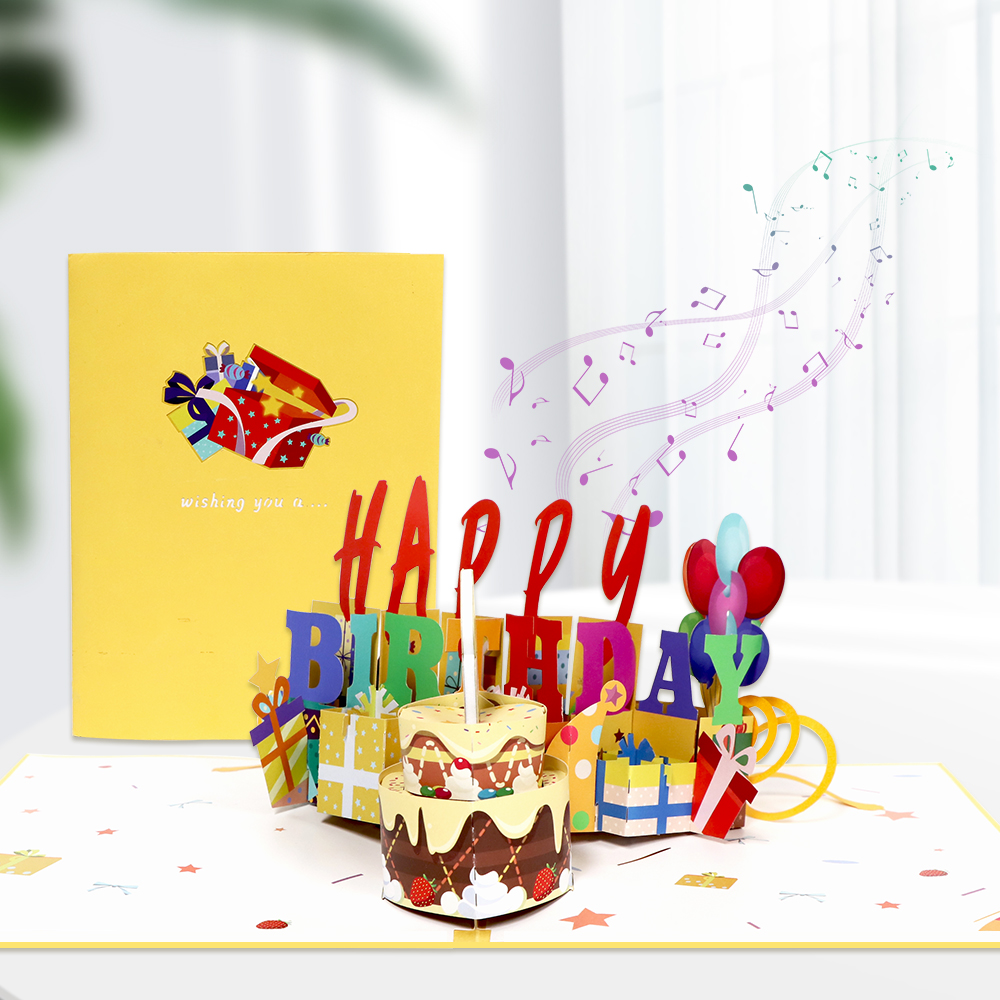
Define the Customer Experience First
The first decision is what should happen when the customer interacts with the card. A birthday product may play a celebratory tune when opened. A branded promotional card may use a short voice message. A premium gift card may combine sound with layered paper, a pop-up element or a coordinated package.
Occasion and intended recipient
Desired emotional response
Sound type and approximate duration
How the sound should activate
Expected retail price and sales channel
Card size, construction and packaging
Branding, language and market requirements
Select the Right Audio Content
Audio may include music, a spoken message, a sound effect or a buyer-supplied recording. The choice should fit the product concept and the limitations of the selected module. Clear source files generally produce better results than compressed or noisy recordings.
Buyers are responsible for ensuring that they have the rights and permissions needed to use supplied music, voices, characters and other protected content. This should be confirmed before final sampling and production.
Choose an Activation Method
The activation method shapes the user experience and card structure. A pull-tab or opening switch can trigger sound as the card opens. A press button lets the recipient control playback. Other interactions may be considered depending on the module and product design.
Opening or pull-tab activation for an automatic reveal
Press-button activation for user-controlled playback
Replay behavior suited to the intended experience
Placement that is easy to find but visually integrated
Protection against accidental activation during packing and transport
Design the Paper Structure Around the Module
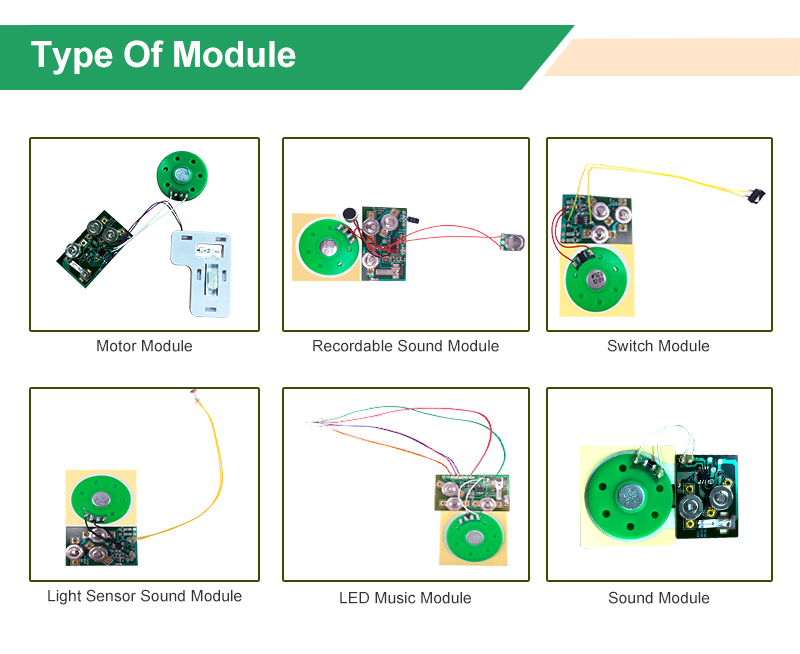
A musical card needs space for the sound module, speaker, battery and switch. The paper construction must hold these parts securely while keeping the exterior neat. The design team also considers sound openings, card balance, writing space and finished thickness.
The electronics should not be treated as an insert added after the artwork is finished. Module dimensions and activation geometry affect panel layout, fold positions, internal layers and packaging from the beginning.
Balance Visual Design and Sound Performance
Paper thickness and decoration can influence how clearly sound reaches the user. The speaker area should not be blocked by dense layers or poorly positioned components. At the same time, the module should remain visually concealed unless the design intentionally presents it.
Handmade details, pop-up structures, foil, embossing or light effects may be combined with sound, but each addition increases the need for feasibility review. The best design creates one coherent experience rather than stacking features without a clear purpose.
Develop and Approve the Sample
A working sample allows the buyer to review the complete interaction. In addition to print and color, approval should cover sound content, volume expectation, activation point, playback behavior, card thickness, component placement, envelope fit and packaging.
Correct audio file and approved playback version
Reliable activation and replay behavior
Secure module and battery placement
Clear sound with no blocked speaker area
Clean paper assembly and concealed components
Correct artwork, text and brand details
Package protection against unintended activation
Plan Function Testing for Production
Musical cards require both paper-product inspection and electronic function checks. Production standards should confirm that the correct module is installed, the sound plays as approved, the trigger works and the paper assembly remains clean and secure.
The test plan can vary with the card design, module type and destination market. Buyers should communicate any retailer, transport, labeling or product-documentation requirements early so the project team can assess them before production.
Prepare Retail and Private-Label Packaging
Packaging should protect the card, prevent accidental playback and make the product easy to understand at retail. Depending on the channel, the pack may need an envelope, protective bag, button instruction, try-me feature, barcode label, warning or information text, header card, gift box or display solution.
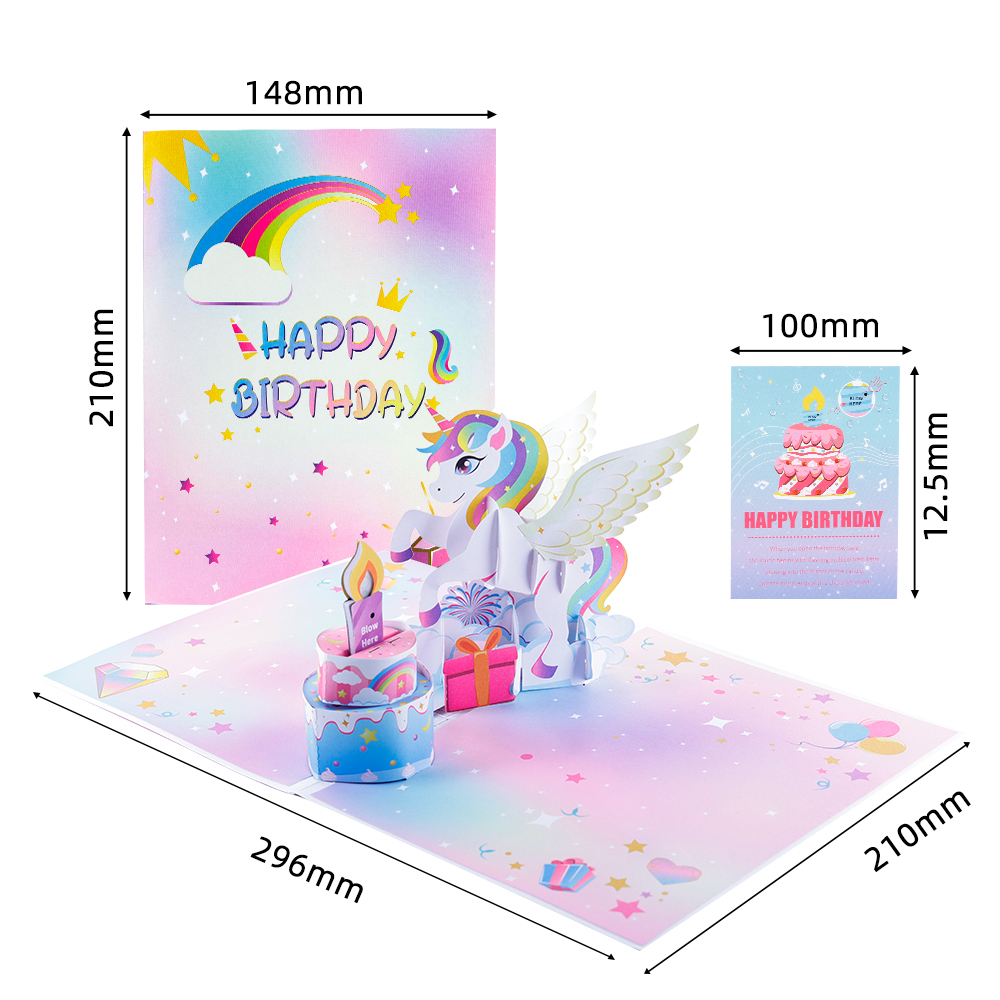
OEM and ODM Routes for Musical Cards
OEM: Build from Approved Buyer Specifications
An OEM project is suitable when the buyer has approved artwork, audio and product requirements. The manufacturer reviews feasibility, matches the structure and module, produces samples and prepares the confirmed design for production.
ODM: Develop from a Product Direction
An ODM project is useful when the buyer has a market, occasion or brand idea but needs support turning it into a finished musical card. Development may include concept refinement, artwork direction, sound-format planning, activation selection, construction and packaging proposals.
How Winpsheng Supports Custom Musical Greeting Cards
Winpsheng brings paper-card manufacturing and interactive component integration into one development workflow. Support can cover concept review, structural planning, module integration, material selection, sampling, function confirmation, assembly standards, packaging and mass production.
To begin, prepare the intended market, occasion, card dimensions, quantity, artwork status, audio file or sound direction, activation preference, packaging needs and target schedule. These details help determine a suitable development route and quotation basis.
Frequently Asked Questions
Can a brand supply its own music or voice recording?
A buyer-supplied audio file can be evaluated for use. The buyer should confirm ownership or permission for all supplied audio content.
What is the difference between opening and button activation?
Opening activation starts playback as the card is opened, while a button gives the recipient direct control. The preferred method affects both the user experience and card construction.
Why does packaging matter for musical cards?
Packaging protects the paper and electronics, reduces accidental activation and communicates how the interactive feature works.
Can musical cards also include pop-up or light effects?
Combination concepts may be possible after feasibility review. Structure, component space, power needs, thickness, cost and testing should be considered together.
 Hot News
2026-09-15
2026-08-21
2026-08-17
2026-07-15
2026-06-23
2026-06-11
 EN
EN